Navigating the *energy debate:* Challenges and solutions | The Bryden Wood podcast \\ Martin Wood, Adrian La Porta and Professor John Dyson
When power failed across the Iberian Peninsula in April 2025, it wasn't just a logistical crisis. It was a signal. The transition to renewables is underway – but the grid assumptions underpinning that transition are under strain in ways that don't always surface in the public debate.
What the grid actually needs:
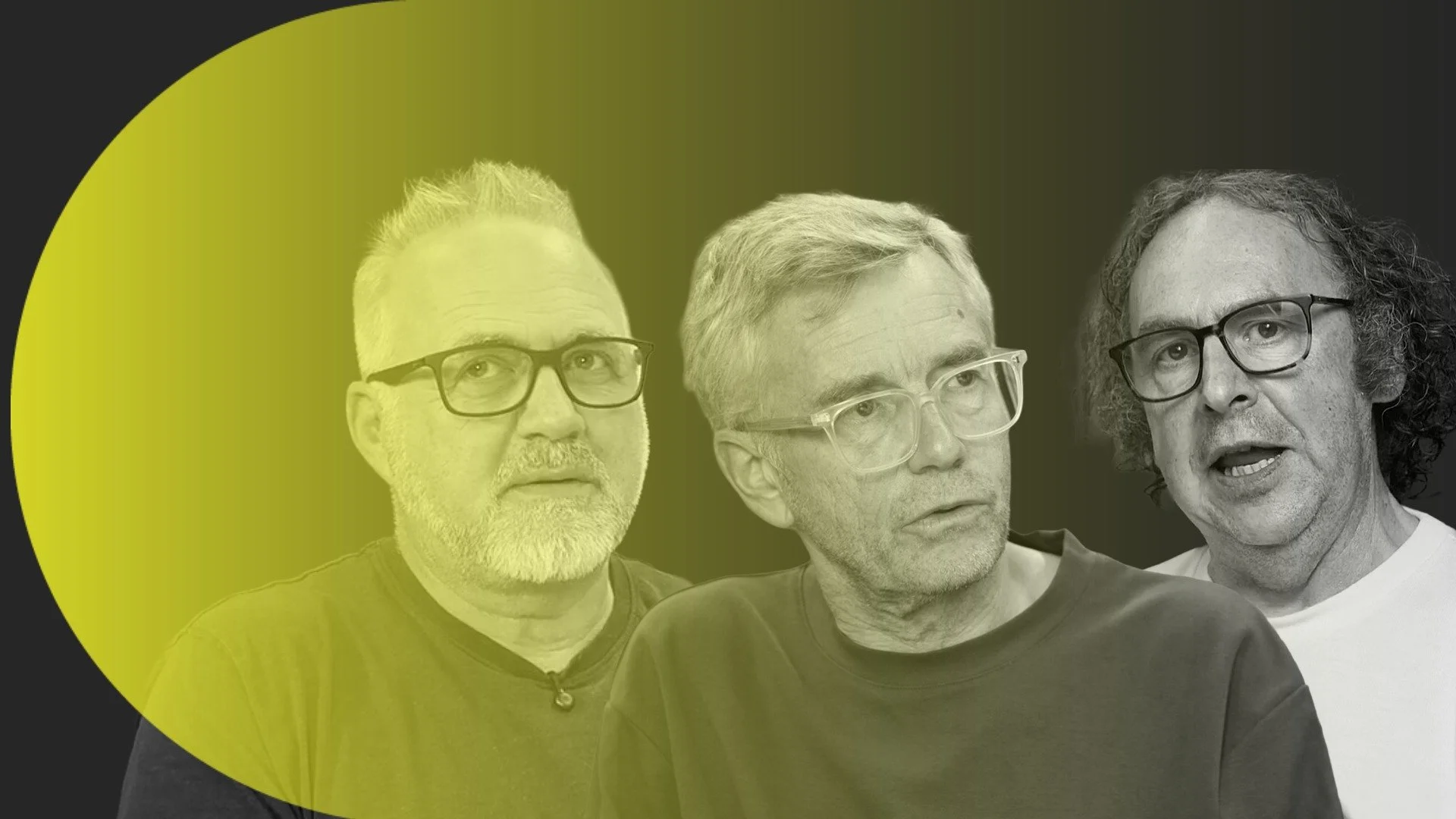
In this episode of the Bryden Wood Podcast, Director Martin Wood sits down with Technical Director Adrian La Porta and Professor John Dyson to examine what the blackouts revealed – and what the conversation about energy is still getting wrong.
The problem with price
The episode centres on a concept Martin has termed 'network value': the idea that energy sources cannot be evaluated on unit cost alone. A solar farm may be cheap to run. But if it contributes nothing to grid inertia – the physical stability that keeps frequency from collapsing – its system cost is far higher than the price per megawatt-hour suggests.
This framing matters because grid inertia has historically come from the rotating mass of large thermal generators. As those plants close and are replaced by inverter-based renewables, the grid loses a structural property it has relied on for decades. The Spain and Portugal outages made that vulnerability visible at scale.
Demand is accelerating faster than the grid can adapt
The conversation doesn't stay with supply. A significant thread concerns the demand side – specifically, the compounding pressure that AI data centres and electric vehicles are placing on infrastructure that was not designed for it.
Both Martin and Adrian are direct about the implications: the energy system is being asked to absorb an enormous new load at precisely the moment it is restructuring itself. That combination – transformation on the supply side, acceleration on the demand side – creates a window of risk that requires more sophisticated thinking than the current policy debate is providing.
Centralised or distributed?
The episode also addresses one of the more contested structural questions in energy infrastructure: whether the future belongs to large centralised generation or distributed, local power. Martin and John are characteristically unwilling to reach for a simple answer. The honest position, they argue, is that both will be necessary – and that the real challenge is designing a system that can integrate both without sacrificing reliability.
Nuclear – including advanced and small modular reactor designs – features in this discussion as dispatchable, low-carbon generation that can underpin the grid while variable renewables handle a growing share of the load.
Why this matters beyond energy
For Bryden Wood, the energy debate is not abstract. We work across sectors: life sciences, data centres, clean tech – where energy infrastructure is a direct design constraint and a major cost driver. The thinking in this episode connects to Bryden Wood's broader argument that industrialisation and productisation are as necessary in energy delivery as they are in construction: the gap between what the transition requires and what the existing system can deliver is not a political problem. It is an engineering and delivery problem.
Martin, Adrian, and John don't resolve that gap in the course of an hour. But they articulate it with unusual clarity – and that, in itself, is a contribution.