
Insight

In his latest blog, Professor John Dyson reflects on why some organisations play to win while others play not to lose – drawing on a footballing analogy, the psychology of fear and failure, and the logic of portfolio investment theory to argue that treating risk as part of a broader portfolio, rather than a single high-stakes bet, is what allows ambition to survive contact with setback.

Developing a cancer drug costs up to $5 billion, takes 15 to 20 years, and has a 4% success rate. PharosAI is building multimodal, AI-ready cancer datasets to change those numbers. Technical Director Adrian La Porta speaks with Dr Lucie Burgess and Dr Emma Colliver about what that means – for researchers, for patients, and for the NHS.

Bryden Wood has a new identity. Director Martin Wood explains what has changed, what has stayed the same, and why a new visual symbol – built from interconnected, overlapping forms – reflects the way the firm has always worked: across disciplines, across sectors, and towards higher impact.

As AI workloads push rack densities to 150 kW and beyond, data centre design is inverting – from white space outward to infrastructure inward. MEP Director Michael Hope-Jones argues the industry needs to stop chasing the future and start building present-enabling infrastructure that can adapt as requirements crystallise.
What happens when drug discovery leaders, big pharma, regulators, AI solution providers, and venture capital sit in the same room? Bryden Wood's Accelerate roundtable on AI and pharmaceutical manufacturing surfaced a clear consensus: the hype is in the wrong places – and we are not ambitious enough.

The data centre market has gone through three distinct eras in fifteen years. Now, driven by AI inference and the limits of tier one city infrastructure, a fourth is emerging. Bryden Wood Data Centre Key Account Lead Dries Hagen sits down with Emmanuel Becker, CEO of Mediterra, to examine what it means for design, flexibility, and power.

AI is already accelerating drug discovery. The question nobody has fully answered yet is what that means for manufacturing. Co-founder Martin Wood and Technical Director Adrian La Porta explore the assumptions, the bottlenecks, and the much bigger questions sitting underneath – ahead of Bryden Wood's Accelerate event on AI in drug manufacturing.

Professor John Dyson asks what it means to be human at a moment when AI is reshaping how we work, decide, and collaborate – drawing on philosophy, neuroscience, and a walk in the woods to argue that curiosity, ethics, and practical reasoning matter more now than ever.

The UK housing stock is inefficient, poorly distributed, and increasingly unfit for a climate that is now both cold and hot. Co-founder Martin Wood, Director of Sustainability Pablo Gugel, and co-Head of Sustainability Helen Hough examine what climate resilience in UK housing actually requires – and who is responsible for delivering it.

The UK's 10-year industrial strategy is a genuine attempt at stability and systems thinking. But an industrial strategy is not the same as an industrialisation strategy. Professor John Dyson, Adrian La Porta and Martin Wood examine what it gets right, what it leaves out, and what actually needs to change.

Professor John Dyson builds an economic model to test what happens when pharmaceutical production scale gets it wrong. The results are striking – and largely ignored by industry. Understanding diseconomies of scale, he argues, could save billions and change how companies think about their entire product portfolio.

Electrification is the headline story of the energy transition. But iron, steel, cement, chemicals, and aviation are a different problem entirely. Co-founder Martin Wood and Technical Director Adrian La Porta examine the sectors where the obvious solutions don't apply, and what that means for policy, investment, and delivery.

The market for advanced nuclear has been building for years. What's changed is the demand signal. Jaimie Johnston MBE sits down with Jon Guidroz, SVP at Aalo Atomics, to explore why the conditions for modular nuclear deployment may finally be coming together – and what that means for the energy transition.

Ukraine faces a reconstruction challenge unlike any other: vast in scale, urgent in need, and reduced in workforce. Directors Jaimie Johnston MBE and Martin Wood explore what reconstruction by design – rather than by necessity – could look like, and what the construction industry has to offer.
When the lights went out across Spain and Portugal in April 2025, it exposed something the energy debate had been circling for years. Bryden Wood co-founder Martin Wood, Technical Director Adrian La Porta and Professor John Dyson examine what the grid really needs – and why cost alone is the wrong measure.

Solvents are costly, environmentally harmful, and heavily regulated – yet the pharmaceutical industry has no clear path to replacing them. This roundtable report from Bryden Wood's Accelerate Pharmaceuticals series captures what happens when the whole ecosystem comes together to confront the dilemma honestly.

Why are things the size they are? Professor John Dyson traces the logic of scale from mitochondria to mega-factories – and argues that nature solved this problem millions of years ago. The question is whether industry is paying attention.

What happens when competitors from across the data centre industry come together to share problems openly? Bryden Wood convened leaders from Google, Equinix, VIRTUS, Edged, and Digital Realty to confront the sector's most pressing challenges – from exponential rack density to power supply constraints and regulatory fragmentation across Europe.

How is the data centre industry evolving to meet the challenges of AI, sustainability, and energy security? In this episode of Built Environment Matters, Jaimie Johnston MBE speaks with Lincoln Wood, Director of Design at Edged.

As 2024 draws to a close, Professor John Dyson reflects on three unexpected sources of optimism – the values of the next generation, the quiet work of people already building a better world, and the profound humanity of strangers thrown together on an overcrowded train.

Two very different projects. Two FOYA awards. One unifying approach. Adam Jordan examines how Design to Value delivered award-winning outcomes for GSK in Parma and Pfizer in Singapore – and what both projects reveal about the gap between conventional briefing and genuinely value-led design.
Serial hyperscale, co-location, and edge clients are driving a new model for data centre design – one built on digital libraries of configurable, standardised solutions rather than bespoke projects. Jaimie Johnston MBE presented this 40-minute session at Autodesk University 2024, exploring automation, industrialisation, and decarbonisation in data centre delivery.
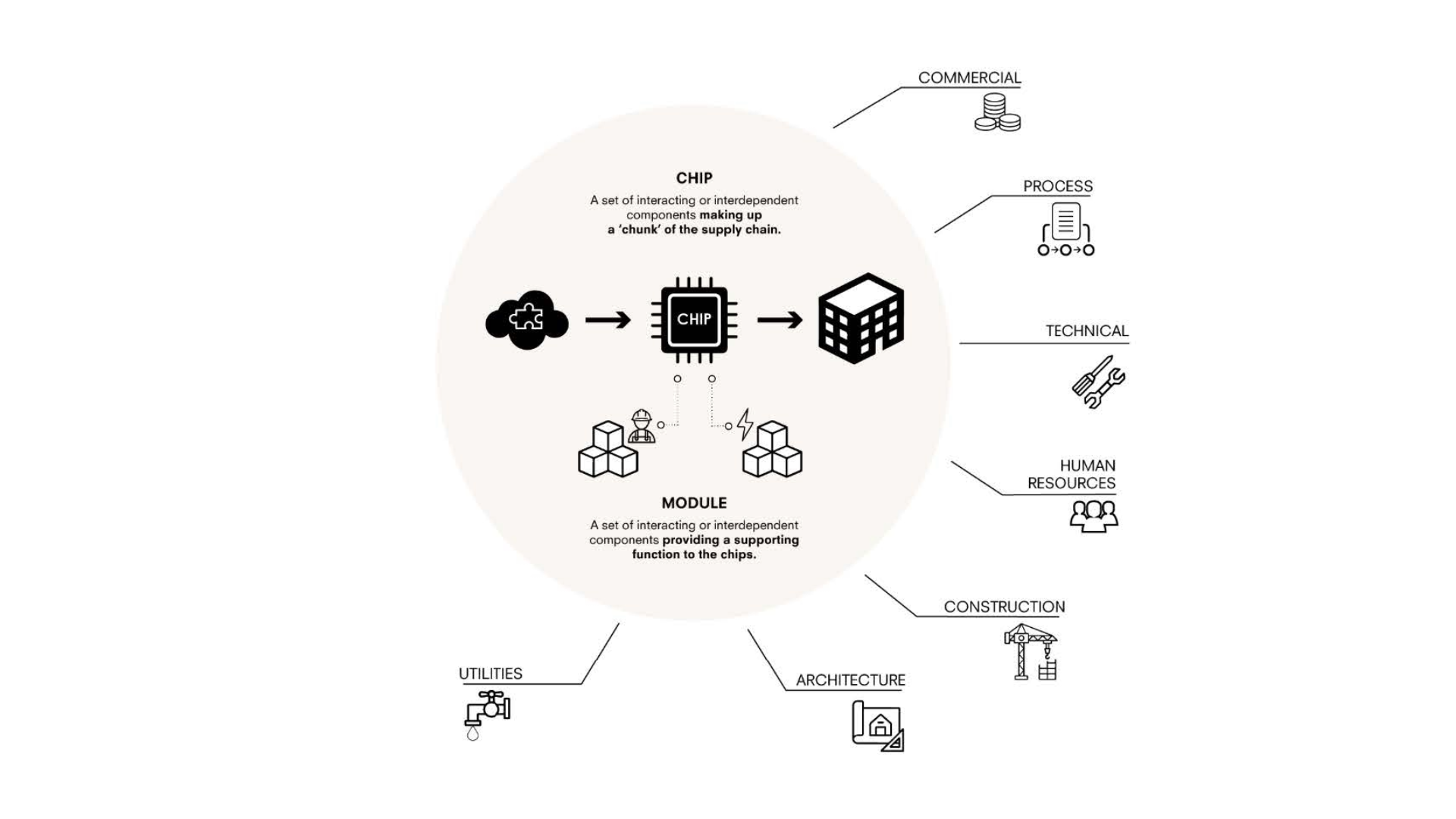
Data centre design is too complex and too consequential to rely on intuition. Thomas Lockie and Brathepan Alagenthiran explain how Bryden Wood's Chip Thinking® approach uses digital simulation and data-driven modelling to assess performance, reduce risk, and accelerate delivery — from initial brief through to industrialised construction.
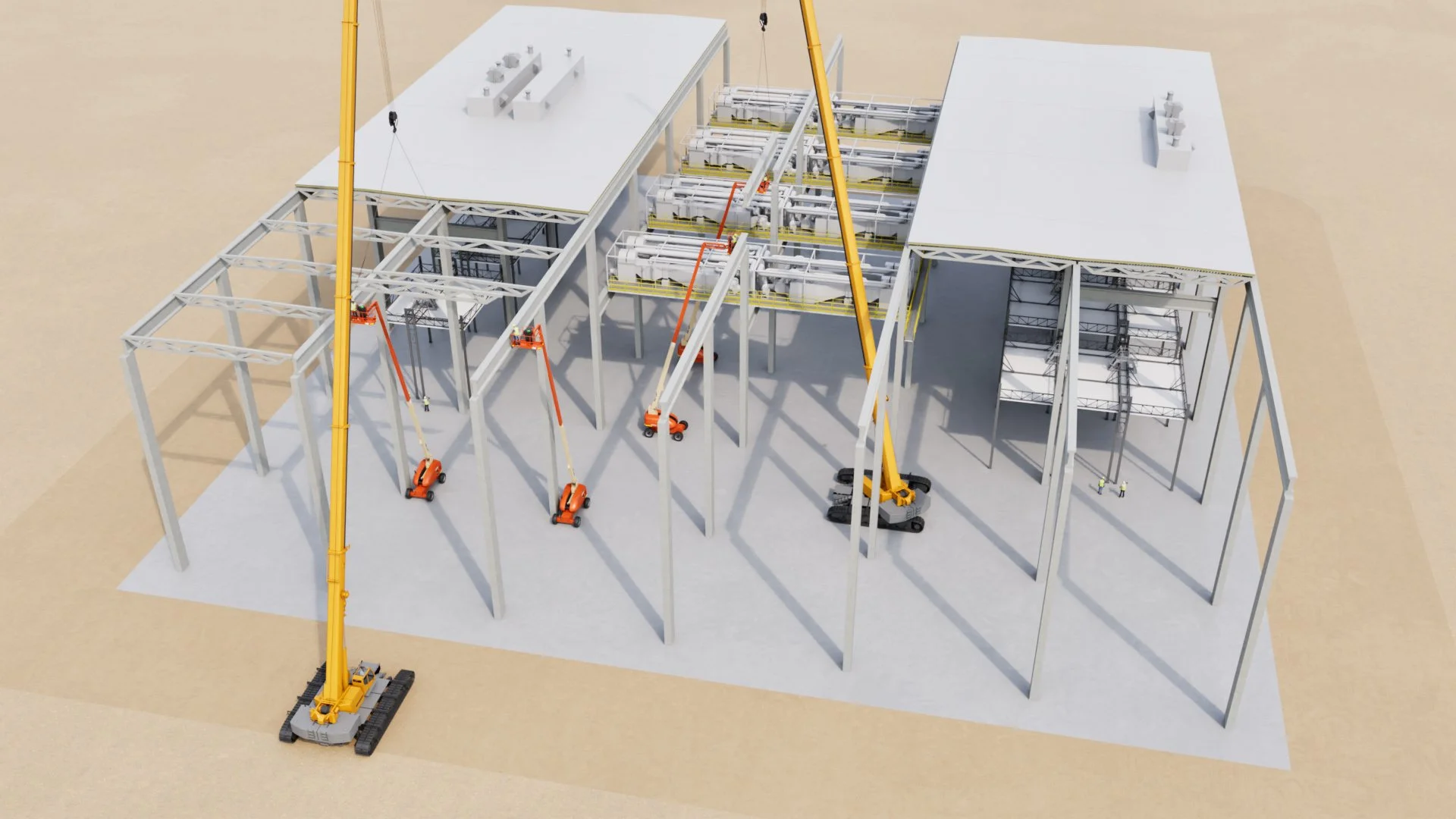
Gigafactories are among the most complex and time-critical buildings in the world. Adam Jordan, Bryden Wood's Asia-Pacific Lead, examines how DfMA can reduce cost and programme by 30% or more – and why getting the design right before prefabricating anything is the critical first step.

Laboratories underpin everything from cancer research to vaccine development – yet they remain largely invisible in conversations about industrial transformation. Bryden Wood convened leaders from across the sector to ask what the laboratory of the future looks like, and what it will take to get there.
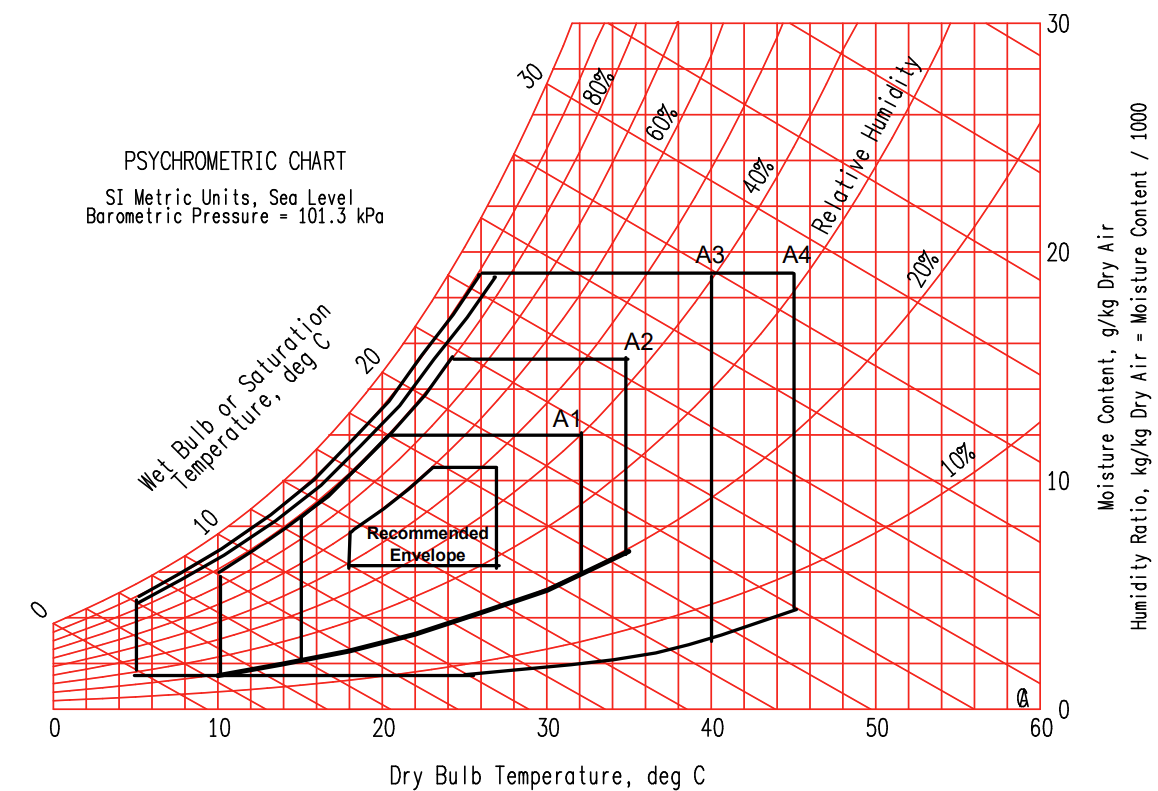
How you reject heat is one of the most consequential decisions in data centre design – affecting PUE, water consumption, footprint, and long-term flexibility. Robin Underwood examines the options, the trade-offs, and what the shift to liquid cooling means for heat rejection systems going forward.
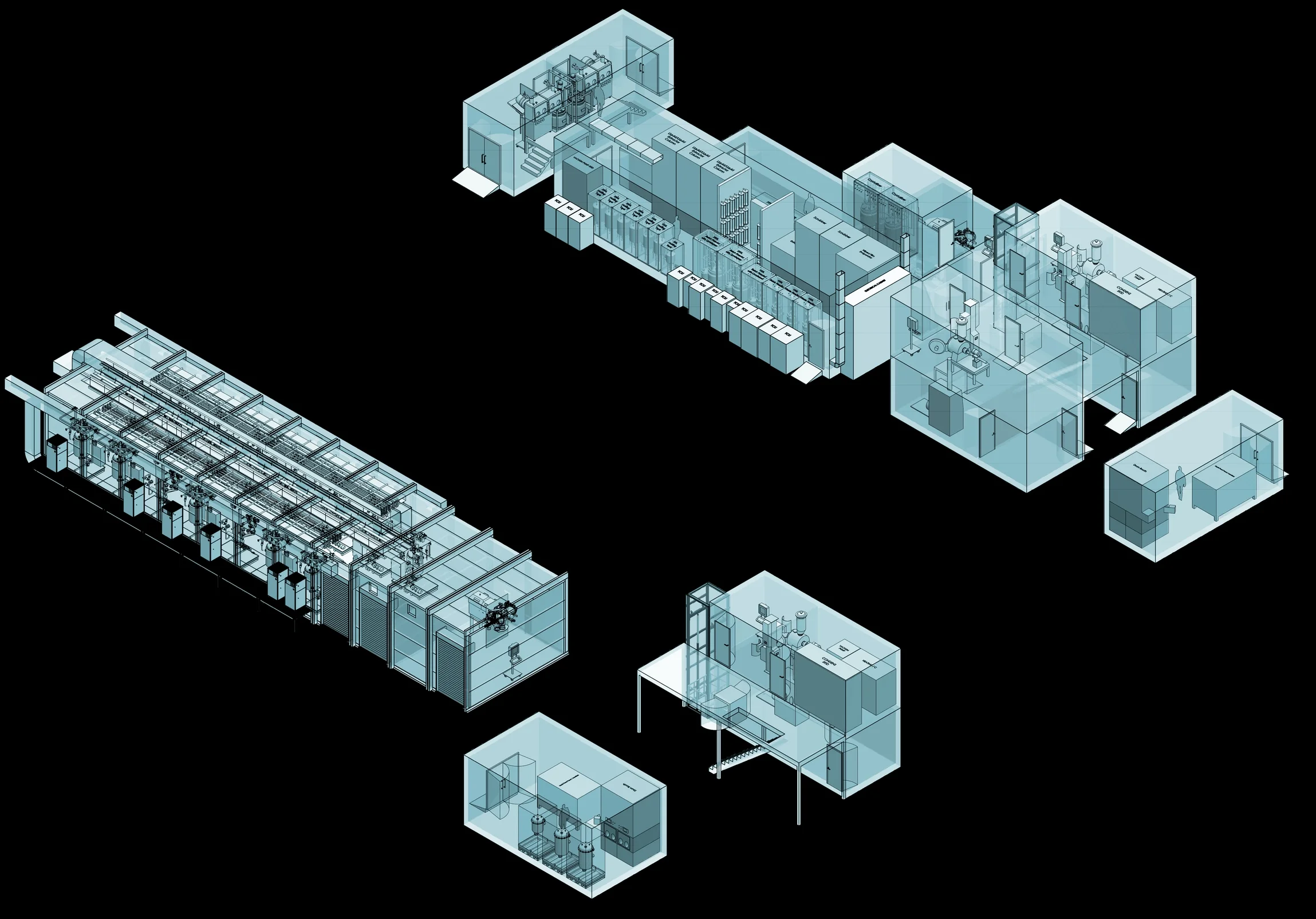
How do you stop a great pharmaceutical project concept from being ground down by the delivery process? In Part 2 of Pharma's Conundrum, Professor John Dyson sets out the principles of Integrated Project Delivery – and why shared value, not scope management, is the real measure of success.
The pharmaceutical industry assumes that once a project concept is agreed, iteration is a risk. Professor John Dyson argues the opposite – that emergence in design is inevitable, and that pretending otherwise destroys value. Part one of his Pharma's Conundrum series sets out a smarter approach to scheme design.

Process intensification, modularity, and automation could deliver billions in improved cash flow and drive pharmaceutical manufacturing close to net zero. So why isn't the industry moving faster? Professor John Dyson reports on what happened when four of the world's largest pharma companies came together to ask that question out loud.
Place matters more than most people think. Professor John Dyson argues that the environment where collaboration happens – its architecture, aesthetics, and culture – carries far more weight than the agenda. The Grand Hotel of Value is his answer to a problem the pharmaceutical industry hasn't yet named.