
Structural Engineering: from first principles to fabrication
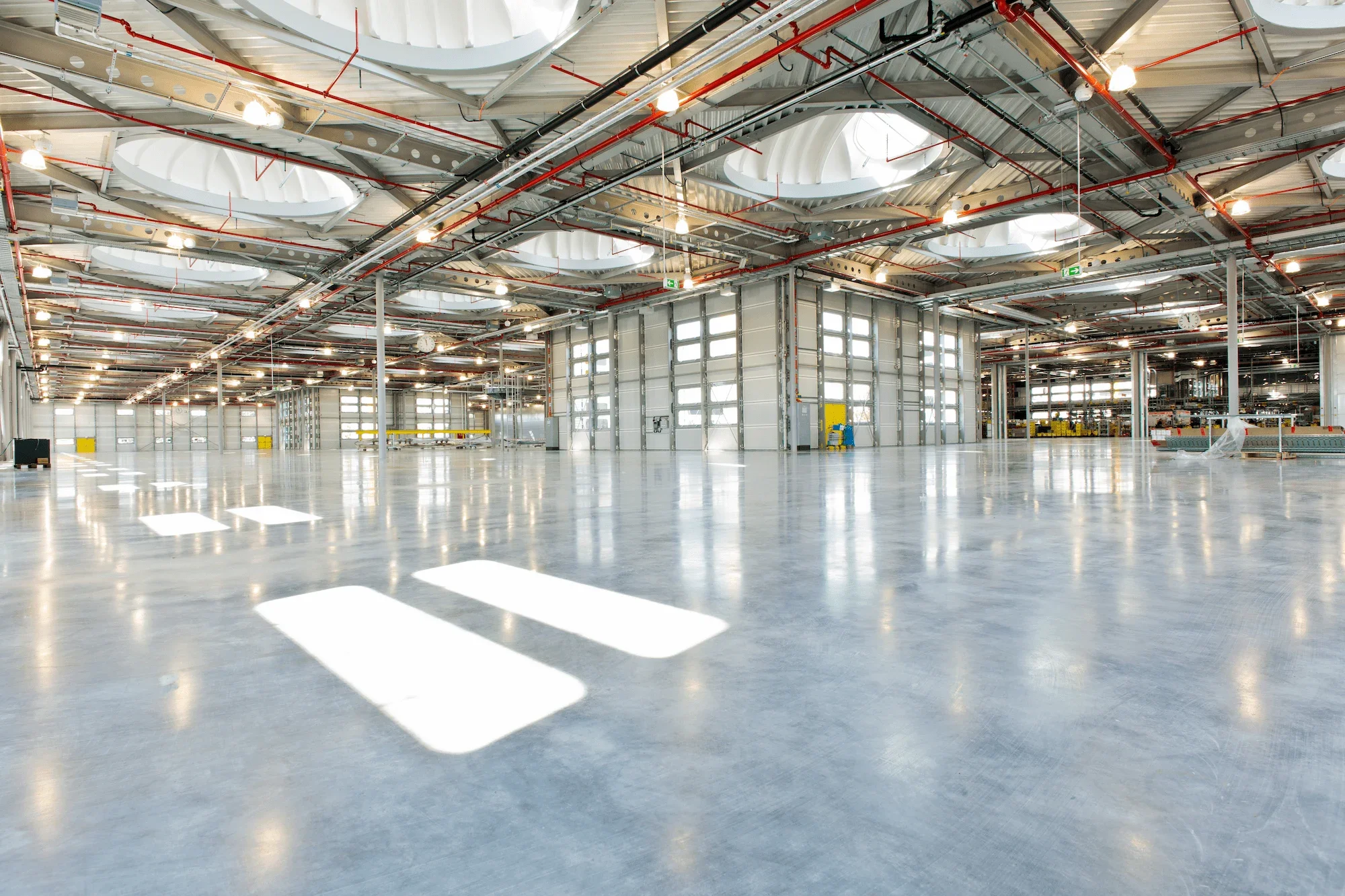
Good structural engineering is invisible. When it works – when a building stands precisely as designed, uses exactly the material it needs, and performs across decades without intervention – the structure disappears into the architecture. That is what we aim for. Not engineering that announces itself, but engineering that makes everything else possible.
Our structural engineers are analytical and creative in equal measure. They go back to first principles on every project, relishing unusual challenges and complex constraints. They think across scales, from the behaviour of a single connection to the performance of an entire structural system, and they think across the supply chain, designing components that are rational to manufacture, straightforward to assemble, and inherently buildable.
Design to Value is the methodology that drives this. Rather than defaulting to familiar solutions, we ask what this specific structure actually needs to achieve, for cost, for carbon, for programme, for long-term performance. That question consistently leads us to lighter, leaner, more efficient structural solutions.
Where this approach has the greatest impact is in how we integrate structure with the wider design. Unlike traditional structural engineers who hand off at Stage 3 or 4, Bryden Wood takes structural design from concept through to full fabrication details. We eliminate the scope gaps that typically exist between designer and specialist contractor – providing complete coordination and detailing at every stage, with models delivered in fabricator-friendly formats including SolidWorks and Tekla. The result is a seamless process from design intent to factory production.

We proved this on the Elizabeth Line, where we designed the GRC cladding lining for the platform tunnels at Tottenham Court Road, Liverpool Street, and Whitechapel. Taking the design back to first principles, we created a stainless steel support structure of considerably reduced complexity – manufactured and prefabricated offsite, and significantly easier to install. 58% weight reduction. 96% fewer fixings. 46% fewer parts.
At The Forge – the world's first commercial building delivered using a platform approach to DfMA – our structural work demonstrated what industrialised engineering can achieve at scale. The superstructure achieved approximately 60% embodied carbon saving through P-DfMA methodology and low-carbon material specification, independently verified post-completion. Across the project: 40% reduction in steel used, 50% fewer site operatives for superstructure and facade, 9.5% capital cost reduction, 13% programme reduction.
These outcomes are not the result of value engineering after the fact. They are what happens when structure is designed as part of an integrated, industrialised system from day one – where every component is considered as part of a manufacturable whole, and where the supply chain, logistics, and fabrication process are part of the design brief, not an afterthought.
Our structural team works as part of Bryden Wood's fully integrated, multi-disciplinary practice – alongside architects, mechanical and electrical engineers, building physicists, and digital specialists. That integration is where the value is created. One team, one model, one shared intent from concept to completion.
Next: Civil Engineering
Previous: Architecture