FujiFilm Project Newton
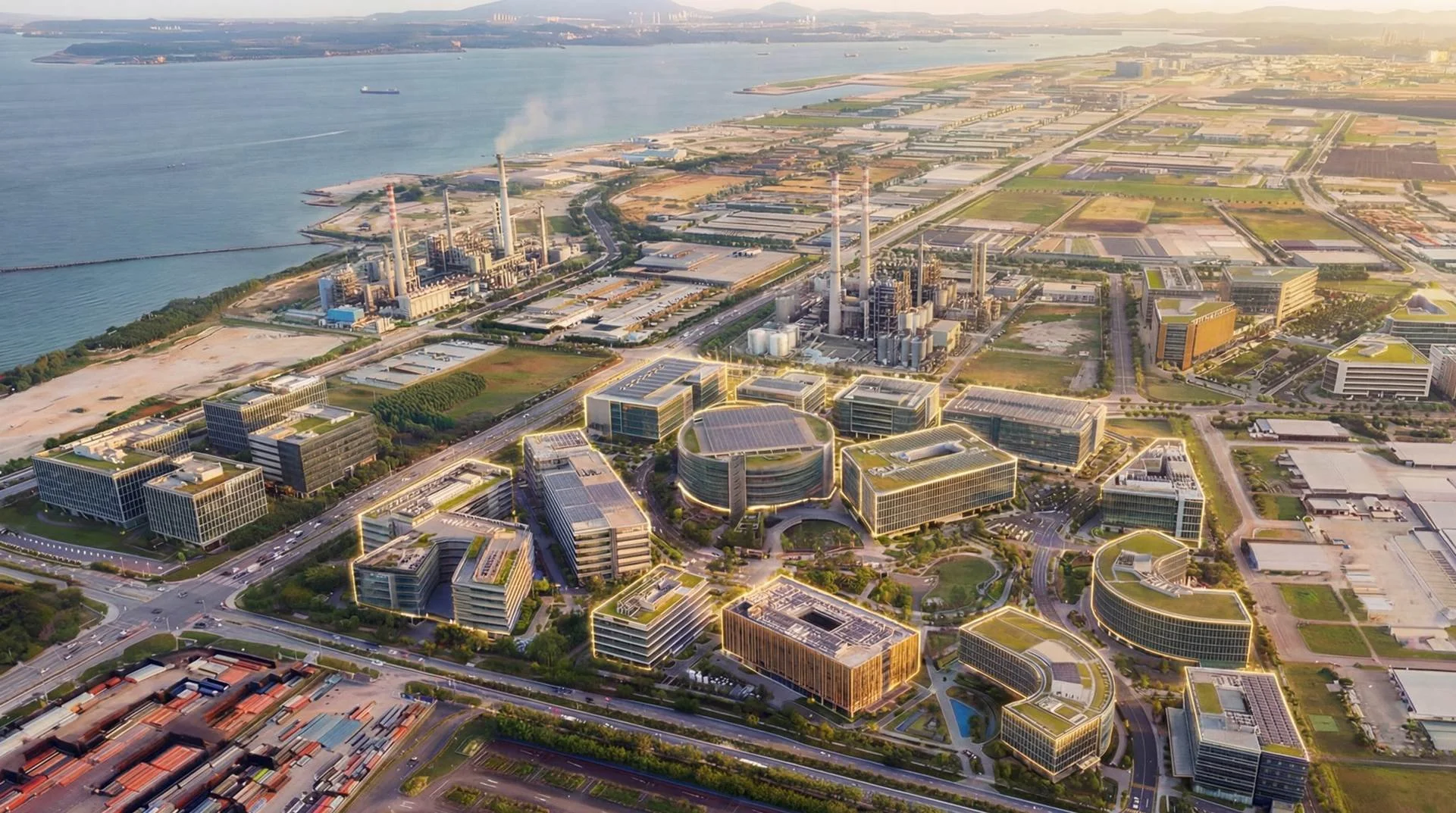
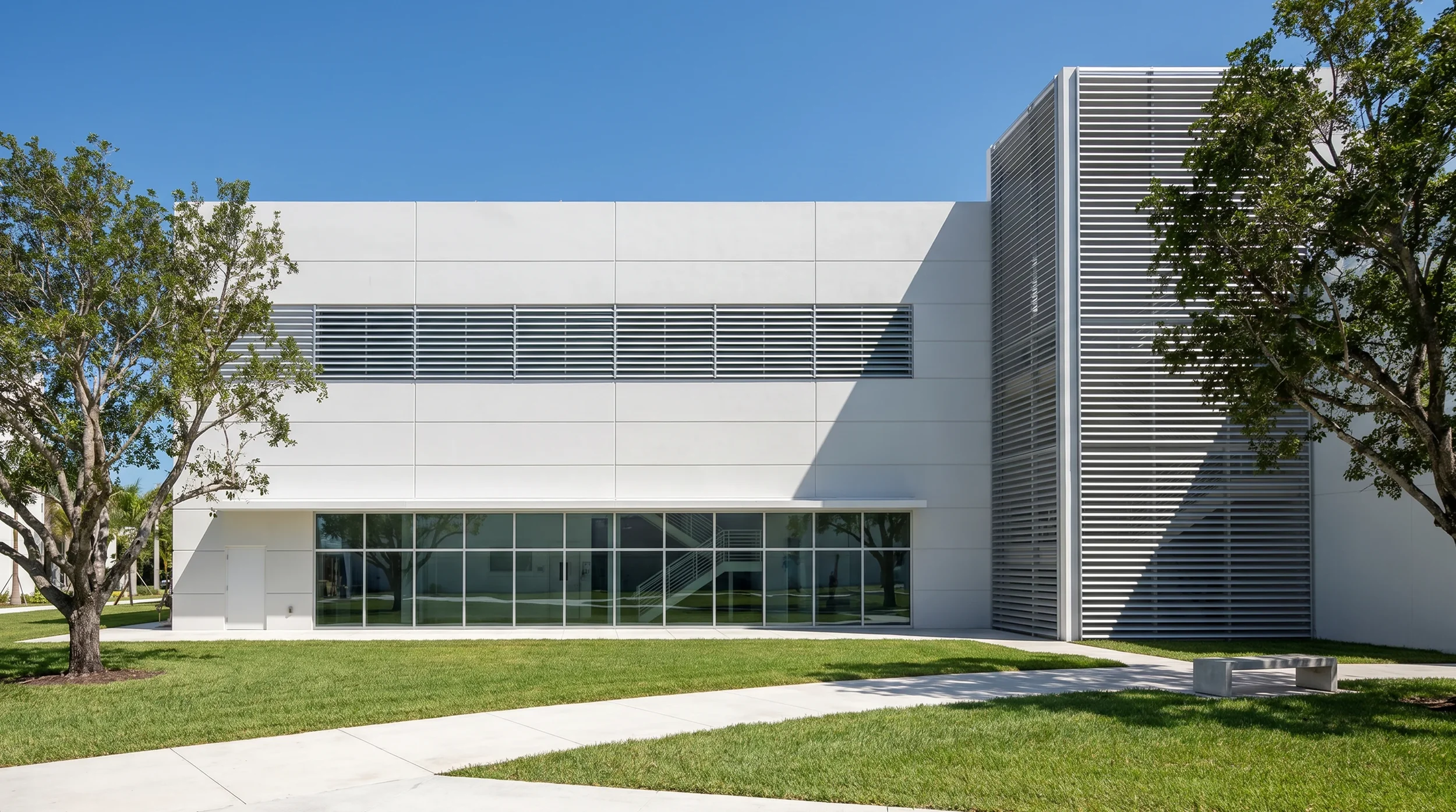
A 10,000 m² greenfield facility at FujiFilm’s Billingham site – designed to support mAb, microbial, viral gene therapy, and mRNA development simultaneously, with a spatial and MEP strategy built to adapt as the science, the customers, and the technology evolve.


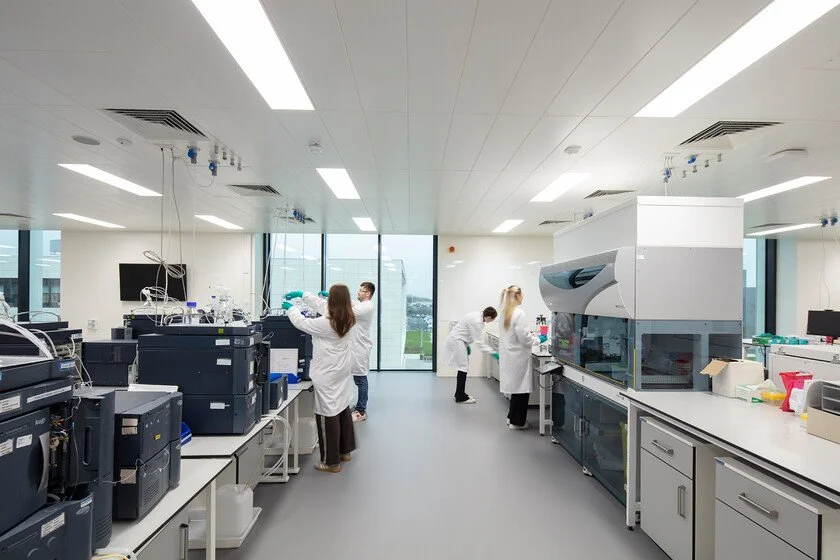


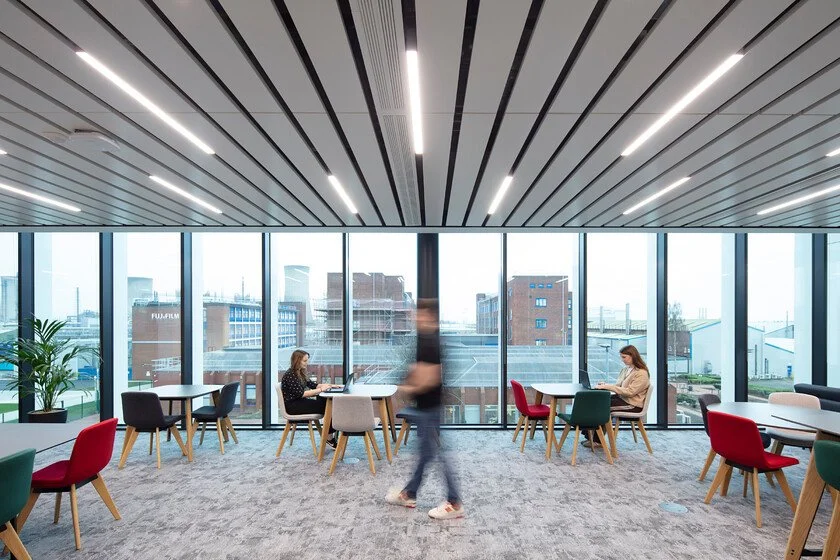
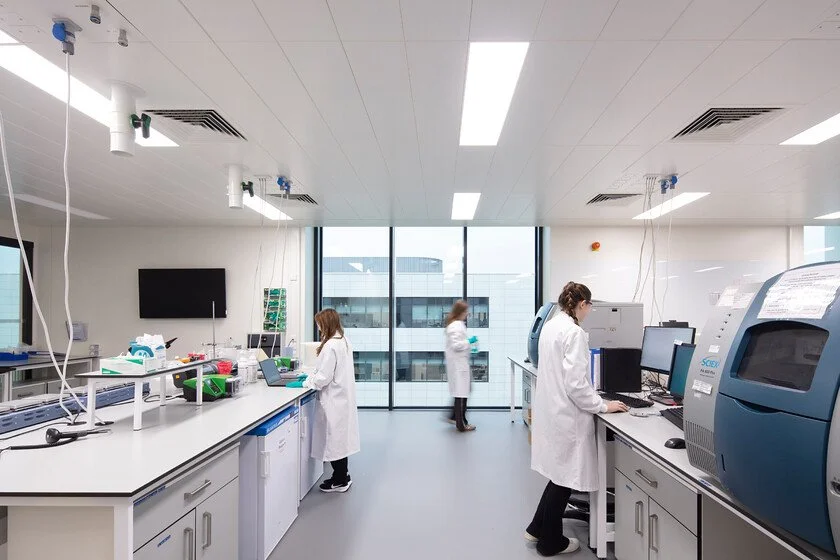

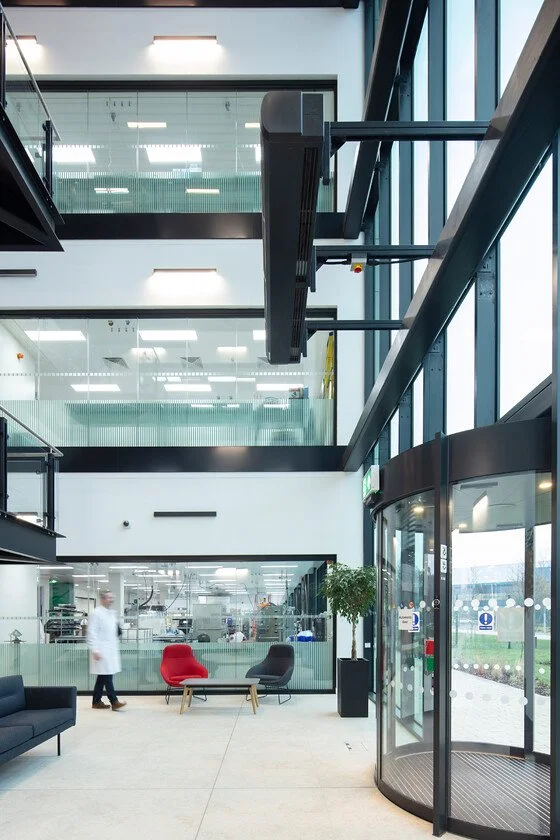

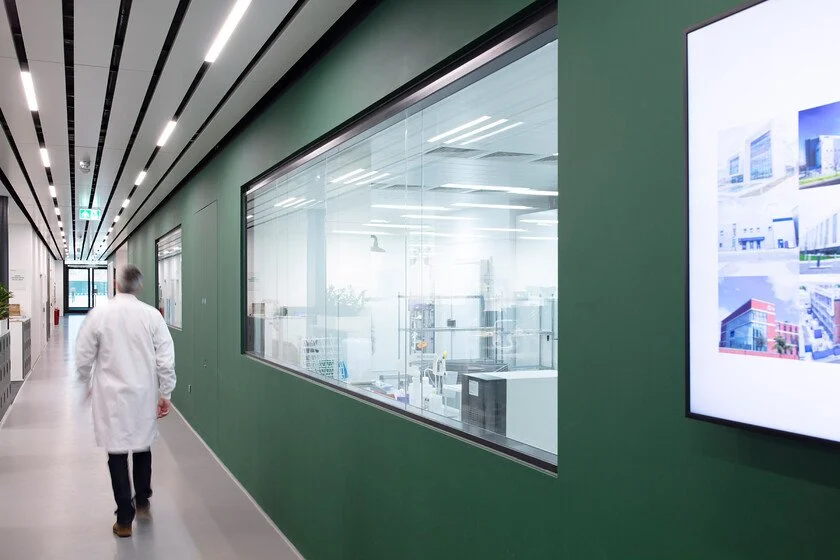

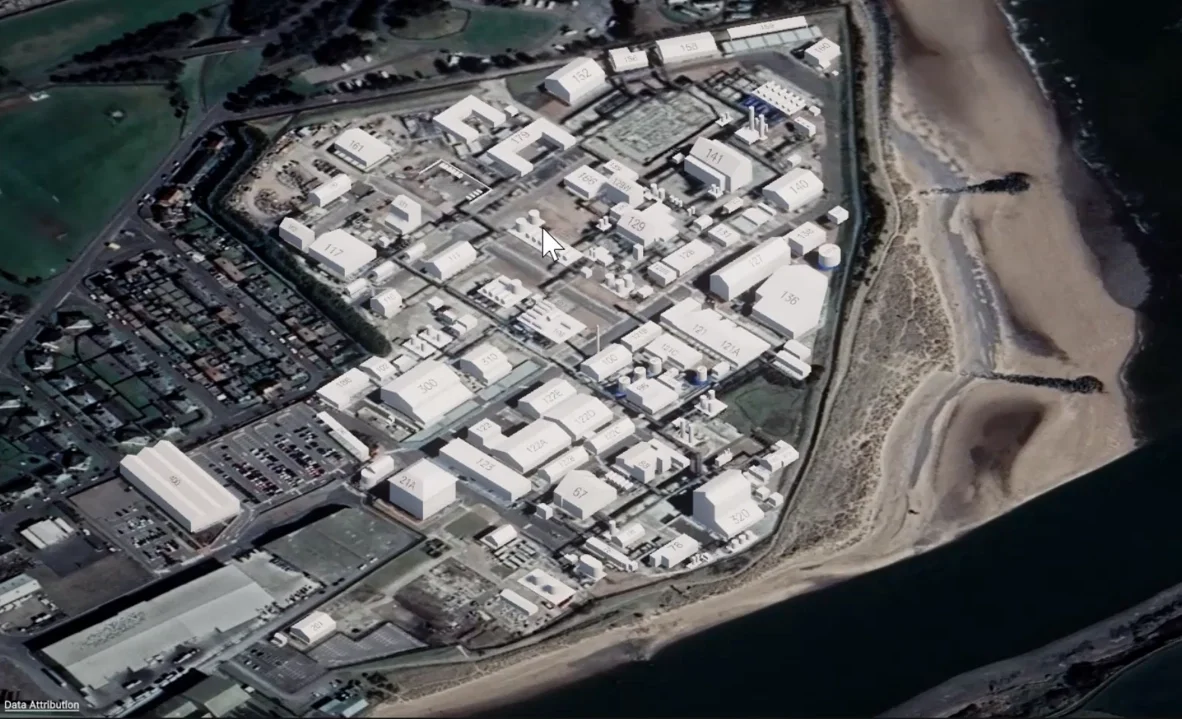
Bryden Wood was appointed by FujiFilm Diosynth Biotechnologies to lead laboratory planning, MEP strategy, and integrated design across Project Newton – a 10,000 m² greenfield facility at FujiFilm’s Billingham site, completed in 2025. The facility forms a key component of FujiFilm’s £400 million UK investment programme, supporting development and GMP manufacturing capacity across four drug modalities: monoclonal antibodies, microbial, viral gene therapy, and mRNA.
Project details:
-
-
-
The defining characteristic of Project Newton is not its scale – it is its adaptability. The building is underpinned by a highly flexible spatial and MEP strategy designed to evolve alongside FujiFilm’s business priorities, customer requirements, and future automation technologies. During the execution phase, the design accommodated significant scope adjustments without compromising the overall scheme – a direct result of the flexibility built in from RIBA Stage 1.
Bryden Wood’s scope covered all laboratory planning, detailed lab layouts, full MEP strategy, and analytical, process, architectural, civil, and structural expertise across the wider facility – ensuring a fully integrated design from a single coordinated team.
Project Newton is a greenfield facility at FujiFilm Diosynth Biotechnologies' Billingham site, completed in 2025. Bryden Wood led laboratory planning, MEP strategy, and integrated design from RIBA Stage 1 through to practical completion – working closely with FujiFilm's end users, quality, safety, and engineering teams to capture both current requirements and future needs, including new automation, services, and workflows.
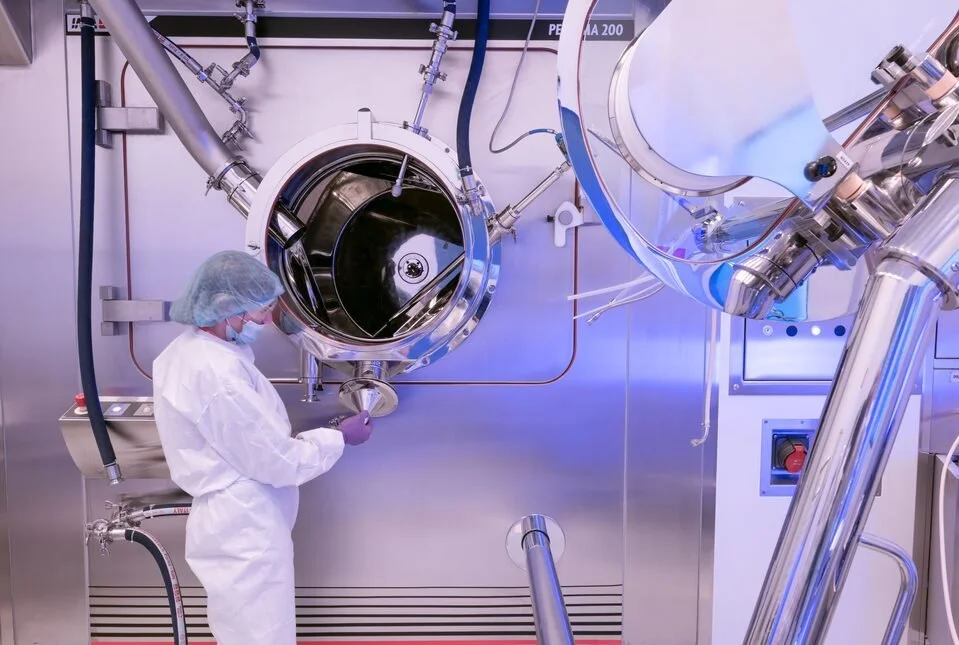
The laboratory programme spans Process Development (upstream and downstream biological processing from benchtop to 200L scale, including FujiFilm's proprietary MaruX continuous technologies, Cell Line Development, Analytical Development, and PCR capabilities), Quality Control (microbiological, environmental monitoring, chemistry, and compendial laboratories), dedicated Viral Gene Therapy laboratories designed to minimise cross-contamination, and flexible educational spaces for staff development and future-skills training.
Each laboratory area was designed through close, ongoing engagement with the relevant user group – ensuring the facility reflects how FujiFilm's scientists actually work, not just how they were assumed to work at the point of briefing.
The building's spatial and MEP strategy was designed from the outset to accommodate change. During the execution phase, the design absorbed significant scope adjustments without compromising the overall scheme – demonstrating that flexibility built in at Stage 1 has measurable value when circumstances change during delivery.
Life sciences facilities that cannot adapt quickly become a constraint on the science they are meant to support. Project Newton was designed to flex – and it did, repeatedly, during construction. That is what a future-ready laboratory actually means.