Pfizer Singapore
A $1bn SGD API facility. One building redesigned by Bryden Wood. 30% capital cost reduction, 50%+ CO₂ reduction, and an ISPE Facility of the Year Award in 2024.
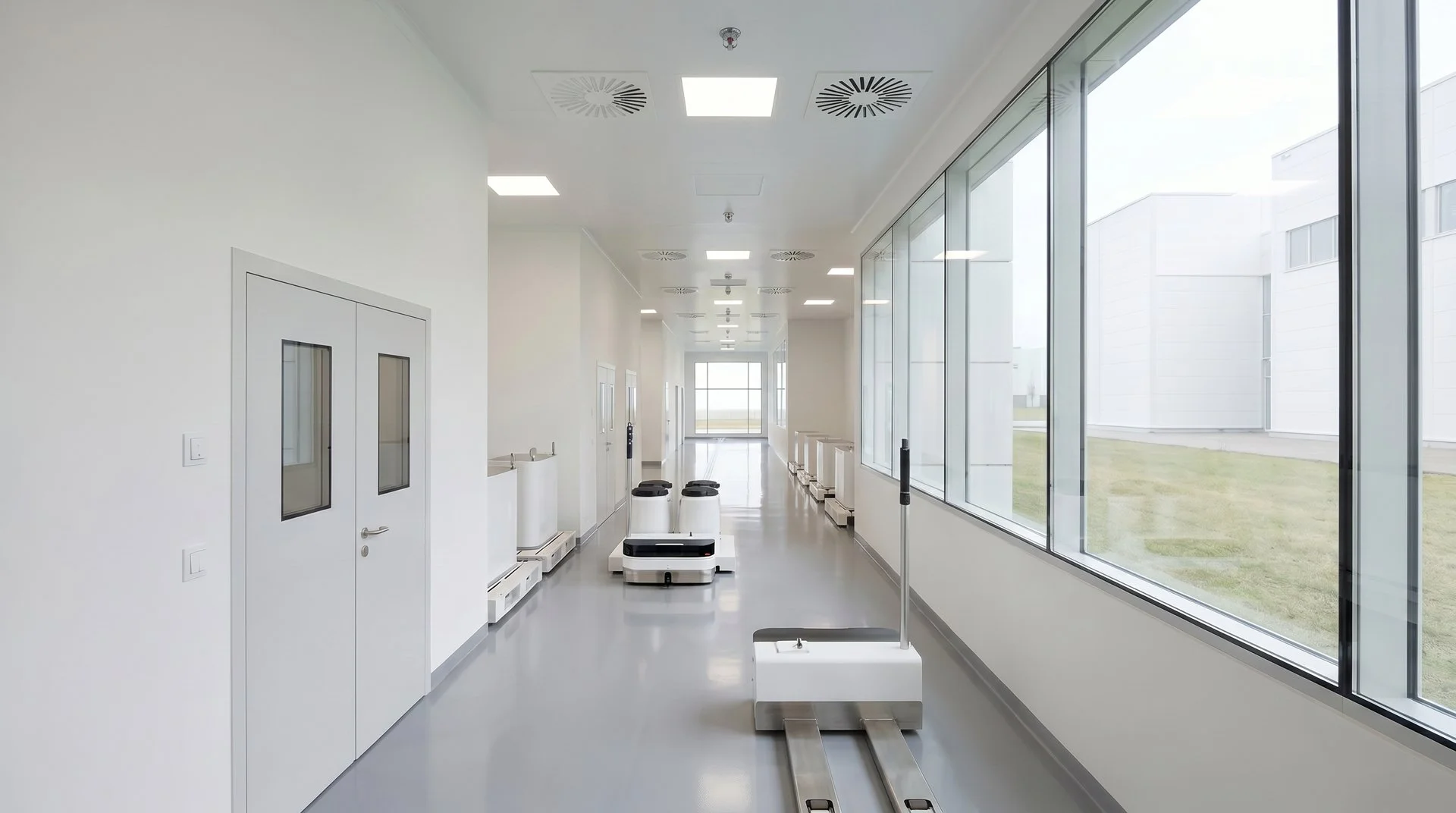
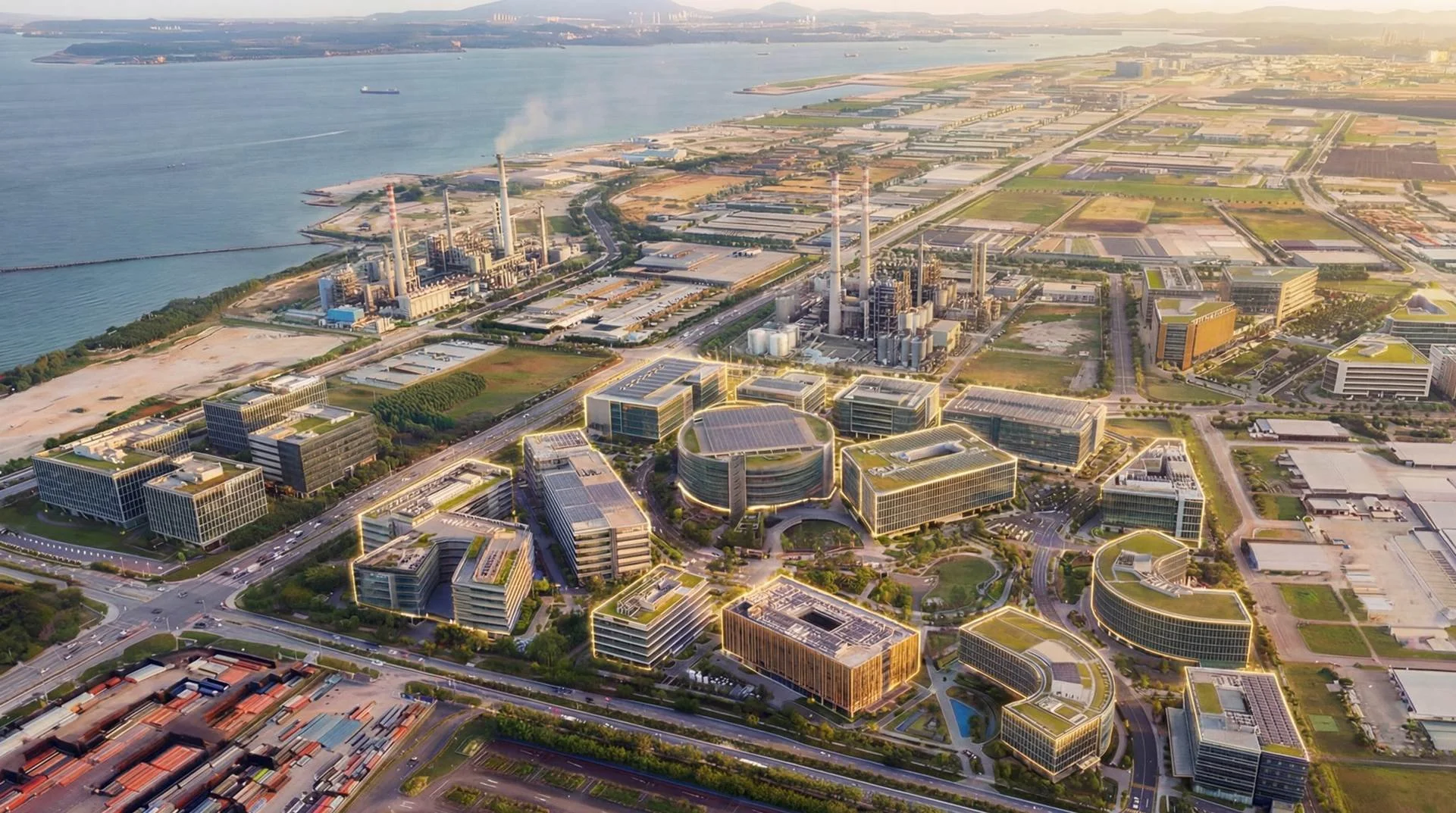
Pfizer's API manufacturing plant in Singapore is a $1bn SGD flagship facility for the company's regional network – 430,000 sq ft, delivered entirely during the COVID-19 pandemic. Bryden Wood was appointed to review and optimise the concept design for the site's dry processing building, applying Chip Thinking analytics and simulation modelling to identify over-provisions and consolidate production onto less equipment – unlocking a fundamental rethink of the building layout in the process.
Project details:
-
-
-
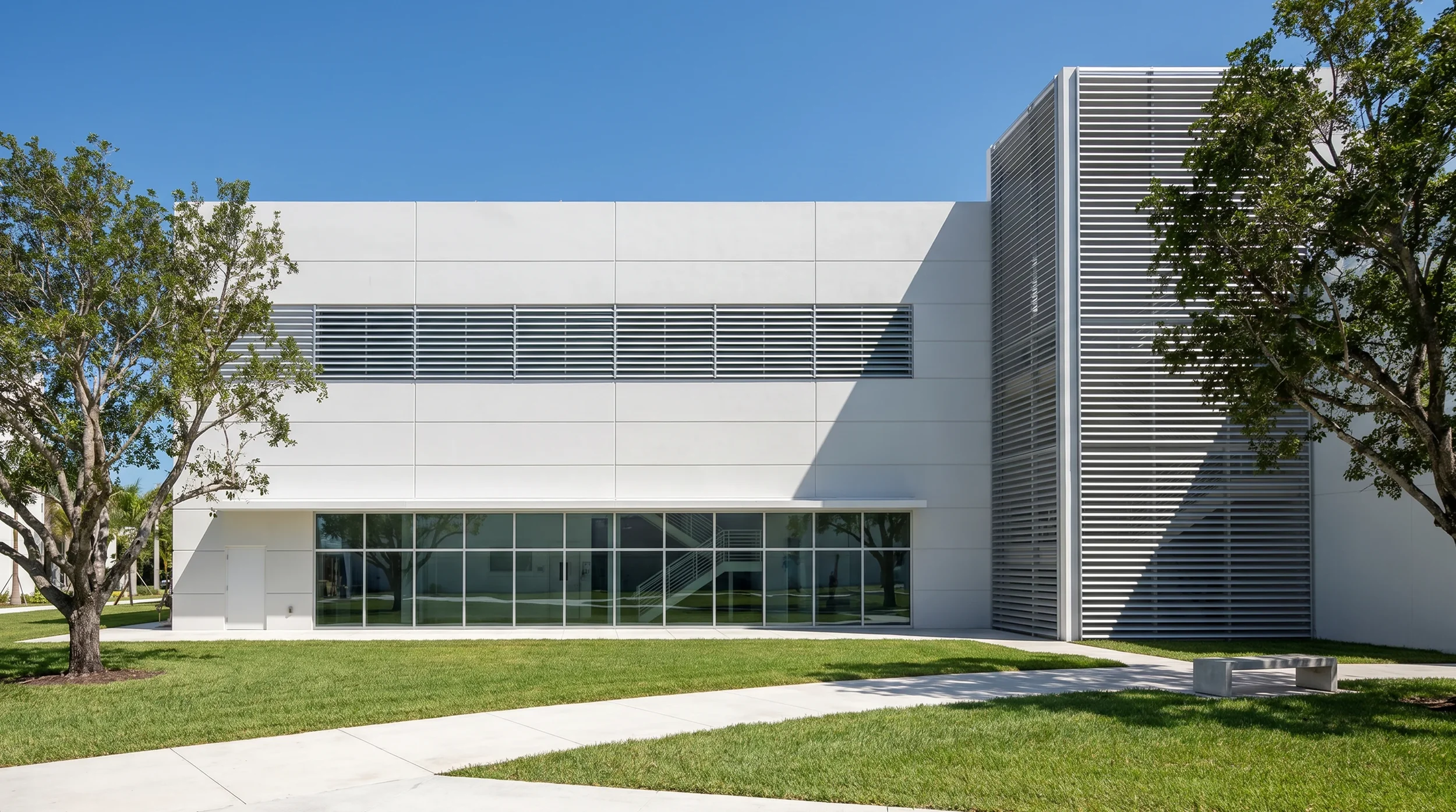
Pfizer's Senior Director of Operations described the result simply: 'The layout, space and light in the milling building is superb.' The overall project was delivered ahead of schedule and under budget during a global pandemic – recognised with the ISPE Facility of the Year Award for Operations and Project Execution in 2024. Extensive glazing brought natural light into both circulation and process areas, improving the working environment for Pfizer's staff throughout the facility.
Bryden Wood's approach began with a holistic analysis of the facility operation, informed by extensive analytics and simulation modelling. Working closely with Pfizer's stakeholders, the team analysed the root process requirements and identified over-provisions in the previously developed concept design. Root requirements were captured in 3D digital models called 'Chips' – sets of interacting components that could be rapidly configured and evaluated with client stakeholders at every stage, allowing a wide range of options to be tested before any design decisions were locked.
The reduced equipment requirements that emerged from this process enabled a fundamental rethink of the building layout. The originally proposed central spine corridor was replaced with a simpler configuration of process rooms with perimeter circulation on both sides – a change that reduced complexity, improved operational flow, and created the opportunity to introduce extensive glazing throughout.
The design also addressed sustainability from first principles. By consolidating production onto less equipment and simplifying the building configuration, the revised scheme achieved more than a 50% reduction in operational CO₂ emissions – not as a sustainability overlay, but as a direct consequence of designing the facility around what it actually needed to do.
Bryden Wood's revised design was adopted by Pfizer and incorporated into the overall delivered scheme – a $1bn SGD flagship facility for Pfizer's regional network, covering almost 430,000 sq ft and completed ahead of schedule and under budget during the COVID-19 pandemic.
Bryden Wood was appointed to optimise one building. The analysis changed how Pfizer thought about the whole facility. That is what happens when you apply Chip Thinking at the earliest stage of design – the benefits don't stay in the building you started with.