PIPS 2050: Pharmaceutical Industry Vision and Roadmap, Singapore
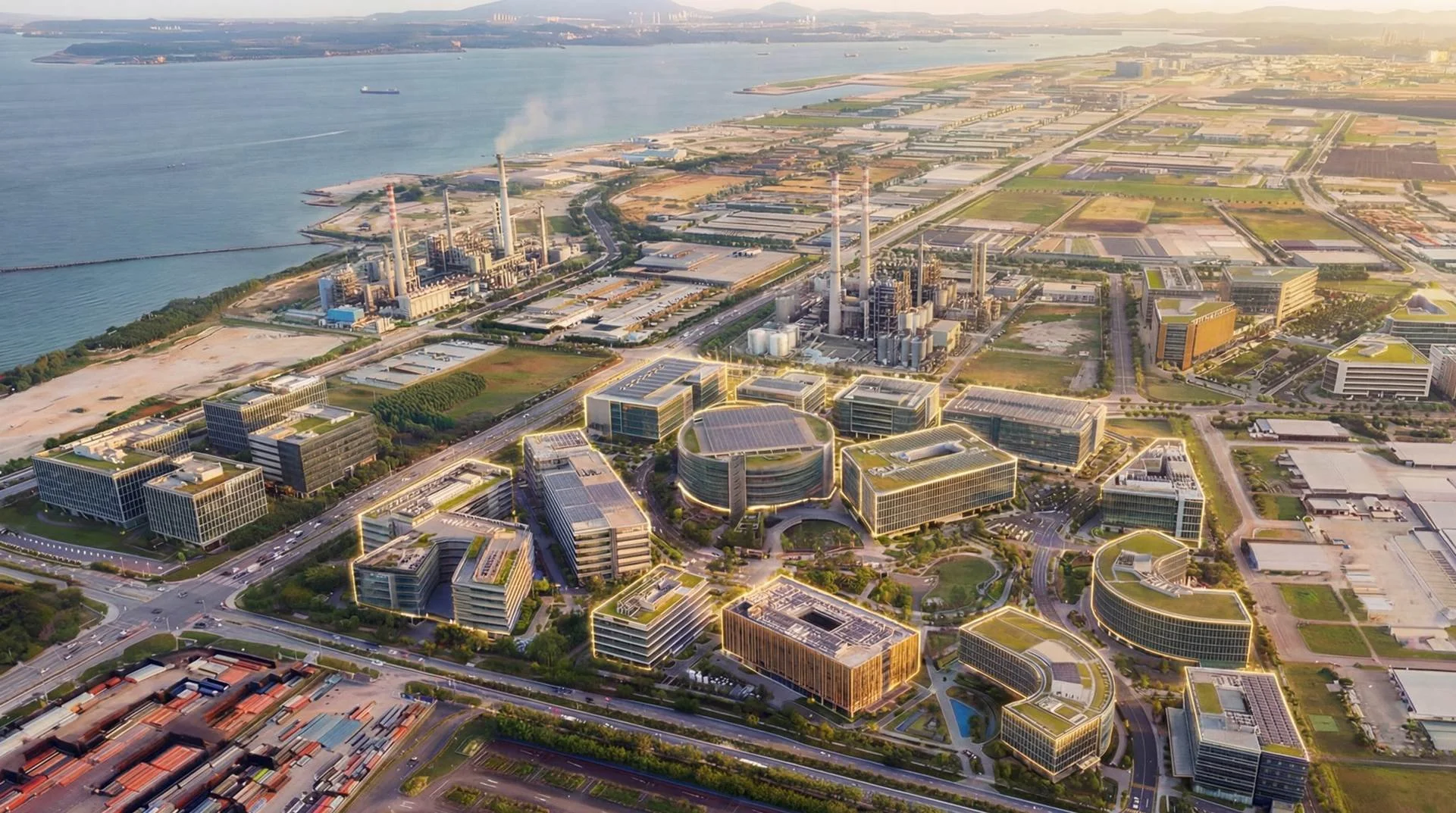
A 25-year vision and roadmap for the future of Singapore's pharmaceutical chemical synthesis industry

The Pharma Innovation Programme Singapore (PIPS) is an industry-led consortium bringing together public sector research capabilities and domain expertise to improve productivity and operational efficiency across Singapore’s pharmaceutical sector. Bryden Wood has been a member since 2019. In 2025, we proposed and led a research project to consolidate the current pharmaceutical chemical synthesis landscape and develop a 25-year vision and roadmap for the industry.
Project details:
-
-
-
What the industry lacked was not activity but direction. Bryden Wood identified a strategic hiatus: existing models were too slow to respond to the pace of change and would not deliver either the healthcare outcomes the sector exists to serve or the economics required to sustain it. Engaging 30 experts from blue chip pharma, Singapore government and sector specialists, and drawing on thinking from polymer manufacturing to data centre design, we produced a two-part report - a Vision for 2050 and a Routemap for getting there - without prescribing large front-loaded capital commitments.
Bryden Wood proposed this research brief to the PIPS consortium in 2025, identifying a gap in strategic thinking across Singapore’s pharmaceutical chemical synthesis sector. Rather than waiting for a commission, we brought a problem statement to the table: existing industry models were not agile enough to respond to the speed of change in global healthcare demand, and without a shared vision, the sector risked falling behind on both productivity and sustainability. The research programme that followed engaged 30 experts drawn from blue-chip pharmaceutical companies, the Singapore government, and specialist advisors over an intensive period of collaborative inquiry.
The research deliberately drew on thinking from outside the pharmaceutical sector. Lessons from polymer manufacturing, data centre design and other high-complexity, high-change industries were brought to bear on the specific challenges facing chemical synthesis in Singapore. This cross-sector lens was central to the methodology, with the most useful provocations often coming from how other industries had navigated similar pressures around speed, flexibility and capital efficiency.
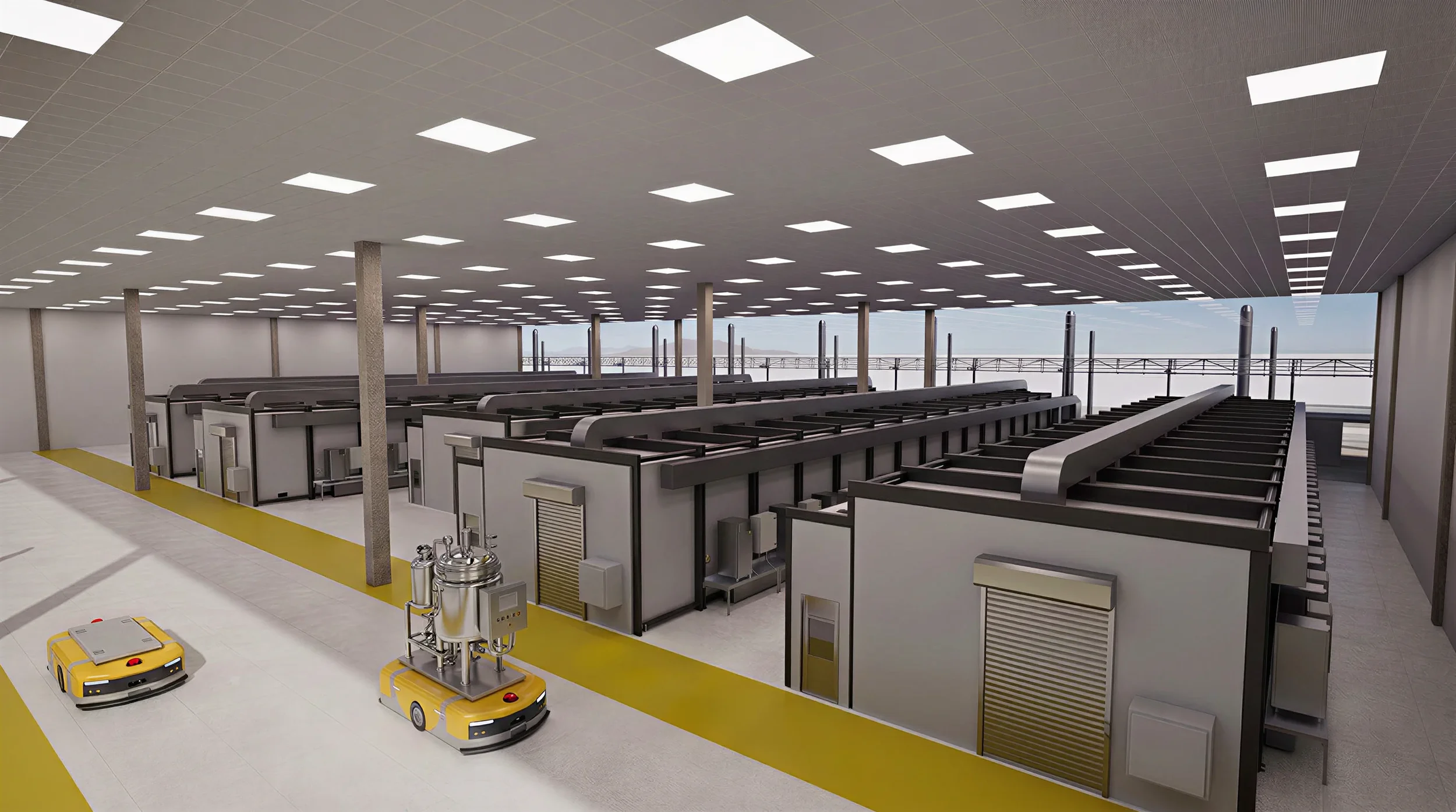
The resulting report was structured in two parts. Part 1, the Vision, set out what Singapore’s pharmaceutical chemical synthesis industry could look like in 2050, addressing organisational structure, geography, infrastructure, people and sustainability. It proposed an industry with greater agility, stronger speed to market and a more compelling offer as a first-choice employer.
Part 2, the Roadmap, addressed how to get there. Rather than prescribing a single path or requiring large front-loaded capital commitments, the Roadmap was designed to be inherently agile, pointing to a series of coordinated decision-making opportunities over 25 years that would progressively build toward the 2050 vision. The aim was to give industry members and government a practical framework for action without locking them into a rigid programme that could not respond to change.
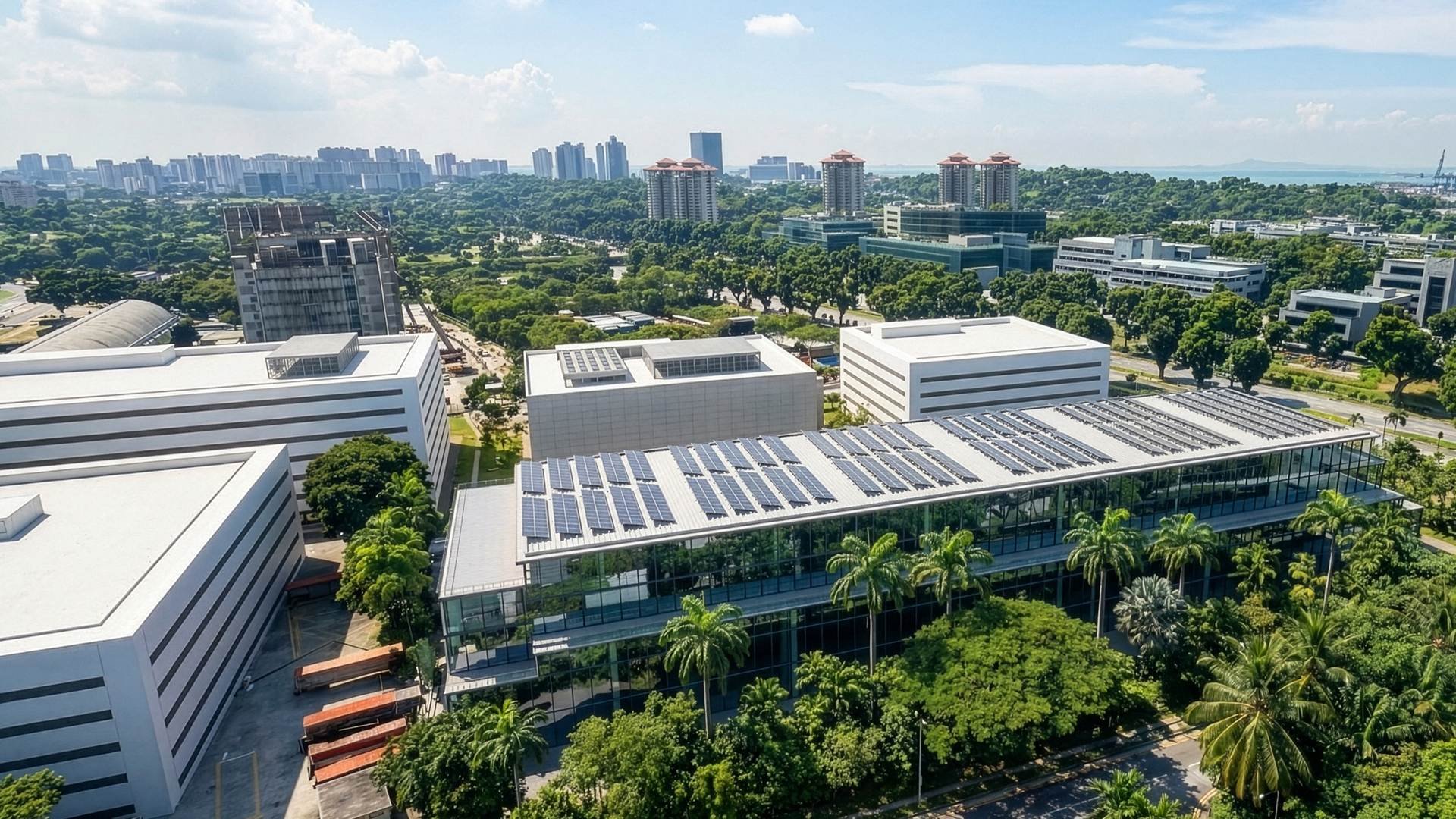
Throughout the research, sustainability was treated not as a separate workstream but as a core dimension of the vision itself. The 2050 industry imagined through PIPS is one that has rethought its relationship with energy, materials and people, treating sustainability as a source of resilience as well as competitive advantage.
PIPS 2050 demonstrates Bryden Wood operating at the level of whole-industry strategy. This project was conceived and proposed by Bryden Wood - we identified it as needed and were appointed to deliver it, bringing the same rigour we apply to individual facilities to the question of what an entire sector could become over the next 25 years.