igus Headquarters
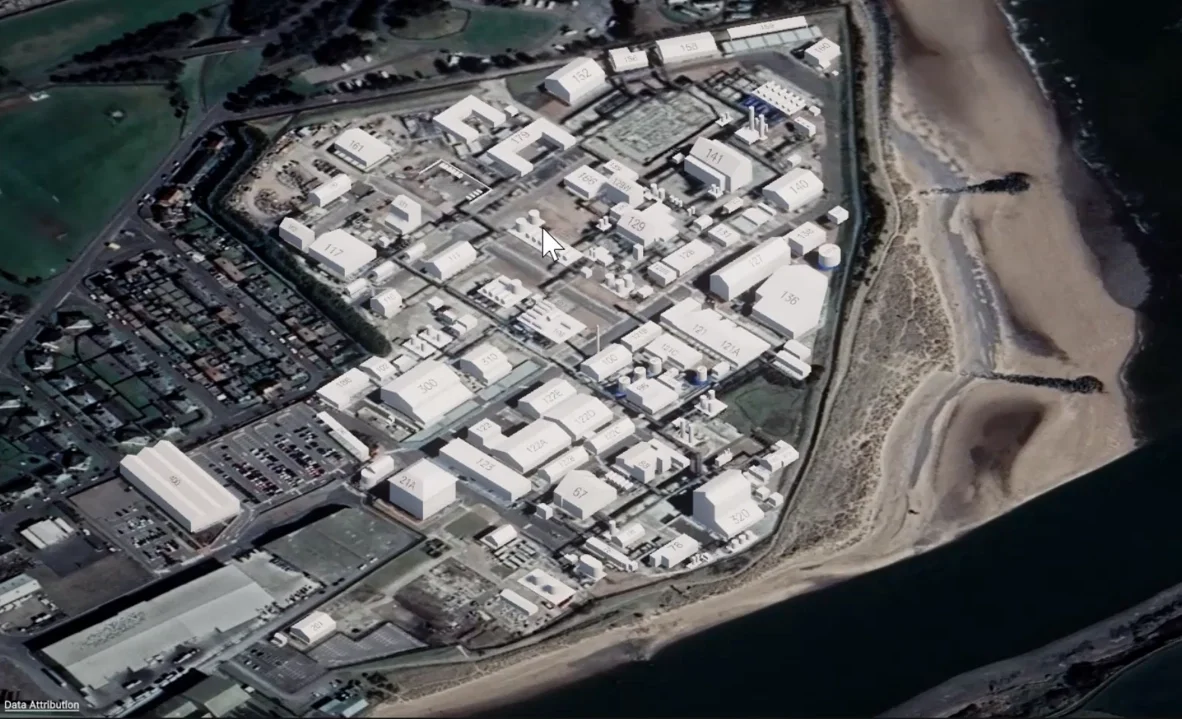
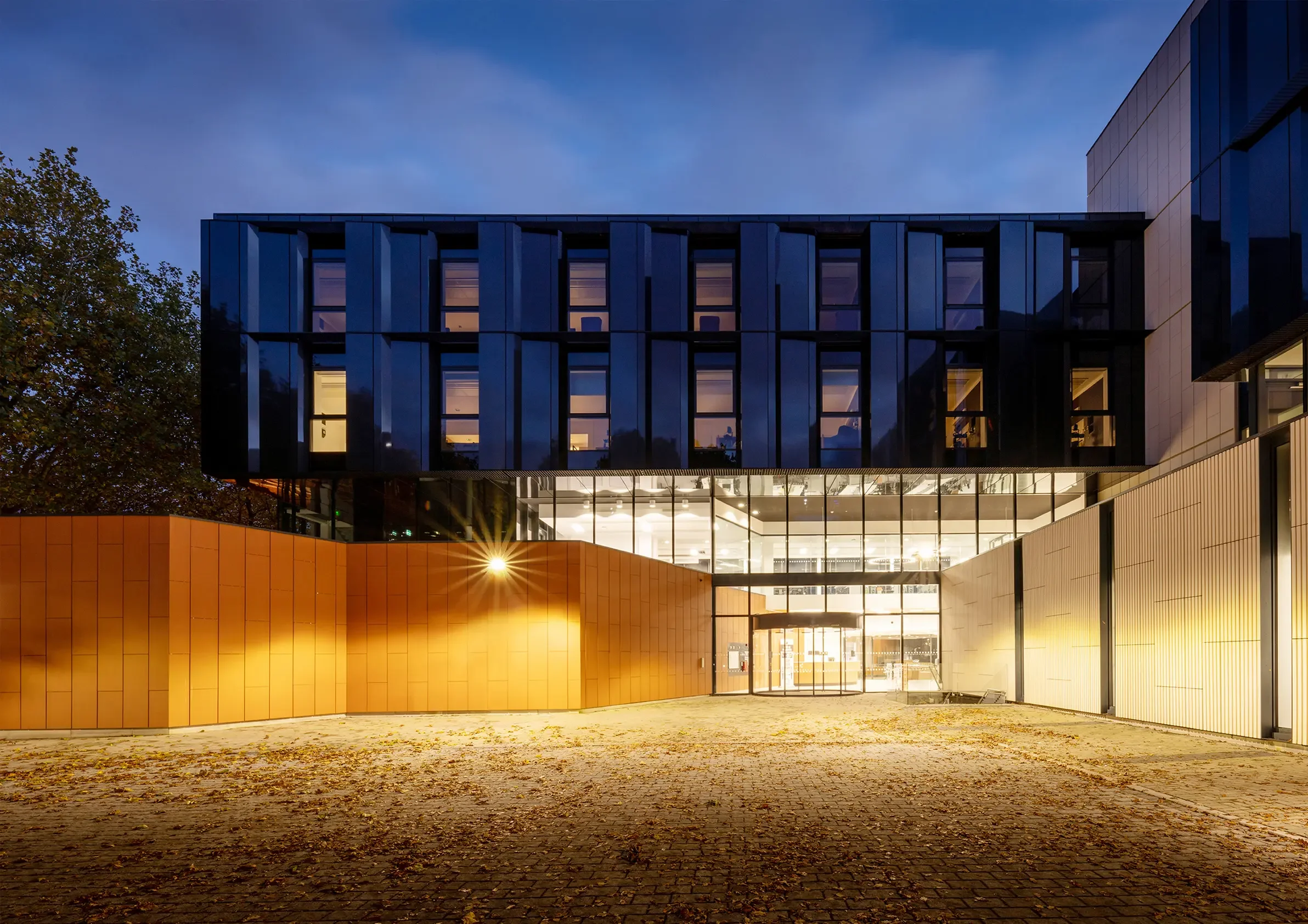
A manufacturing campus in Cologne that Bryden Wood has been designing since the 1990s – 36,000 m² across seven phases, with Phase 8 completed in 2025, a suspended roof structure, and a building fabric designed for perpetual change.


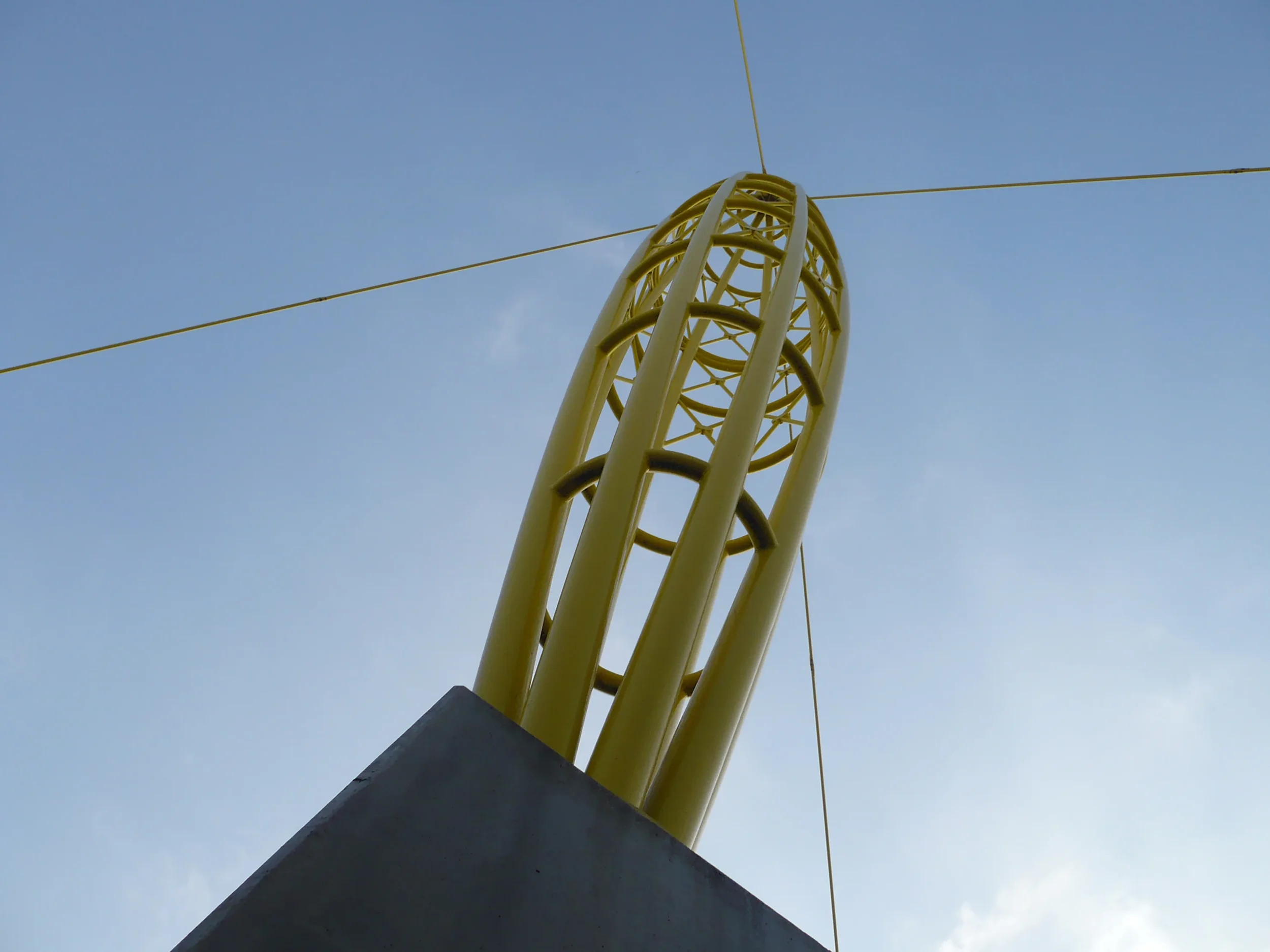
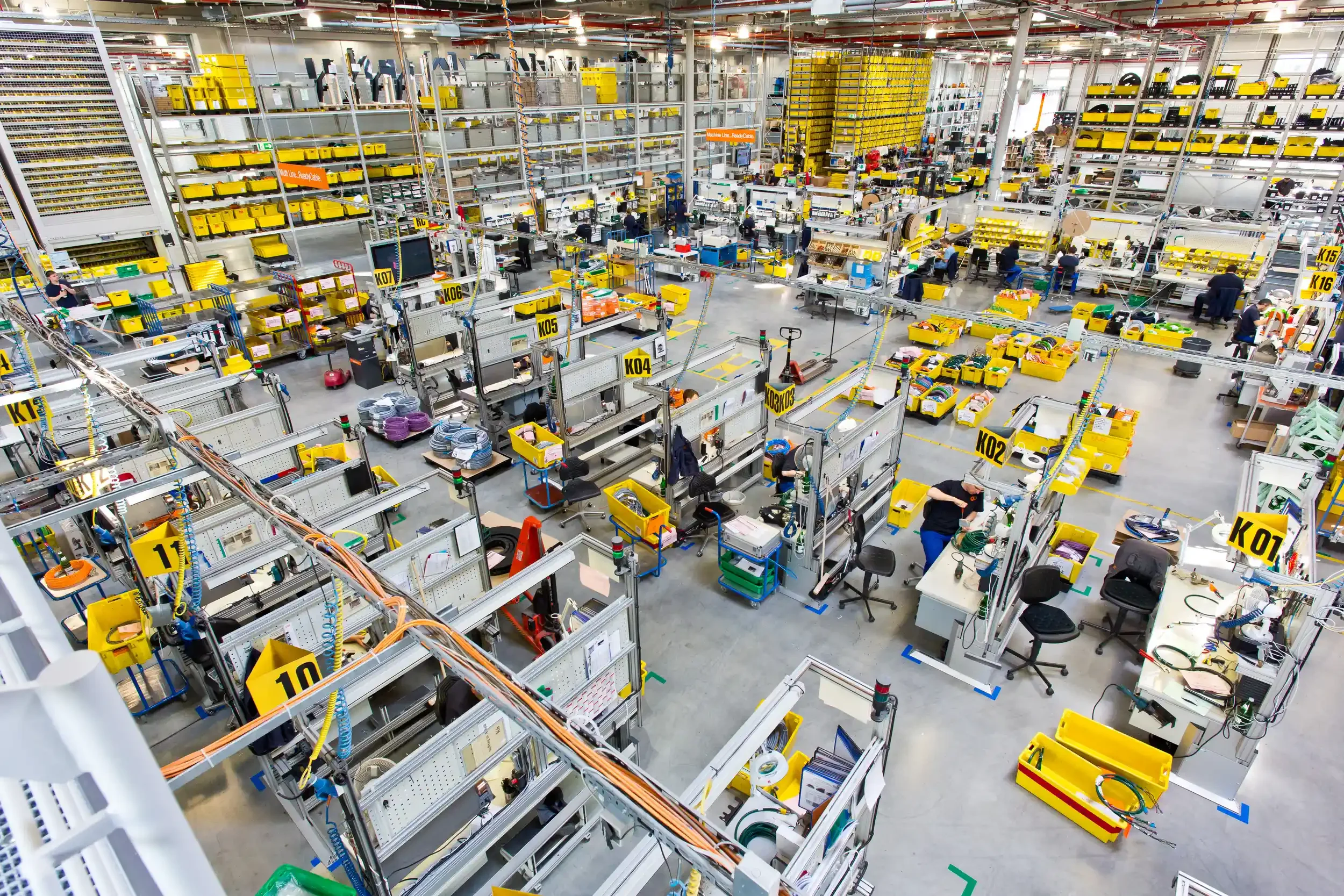
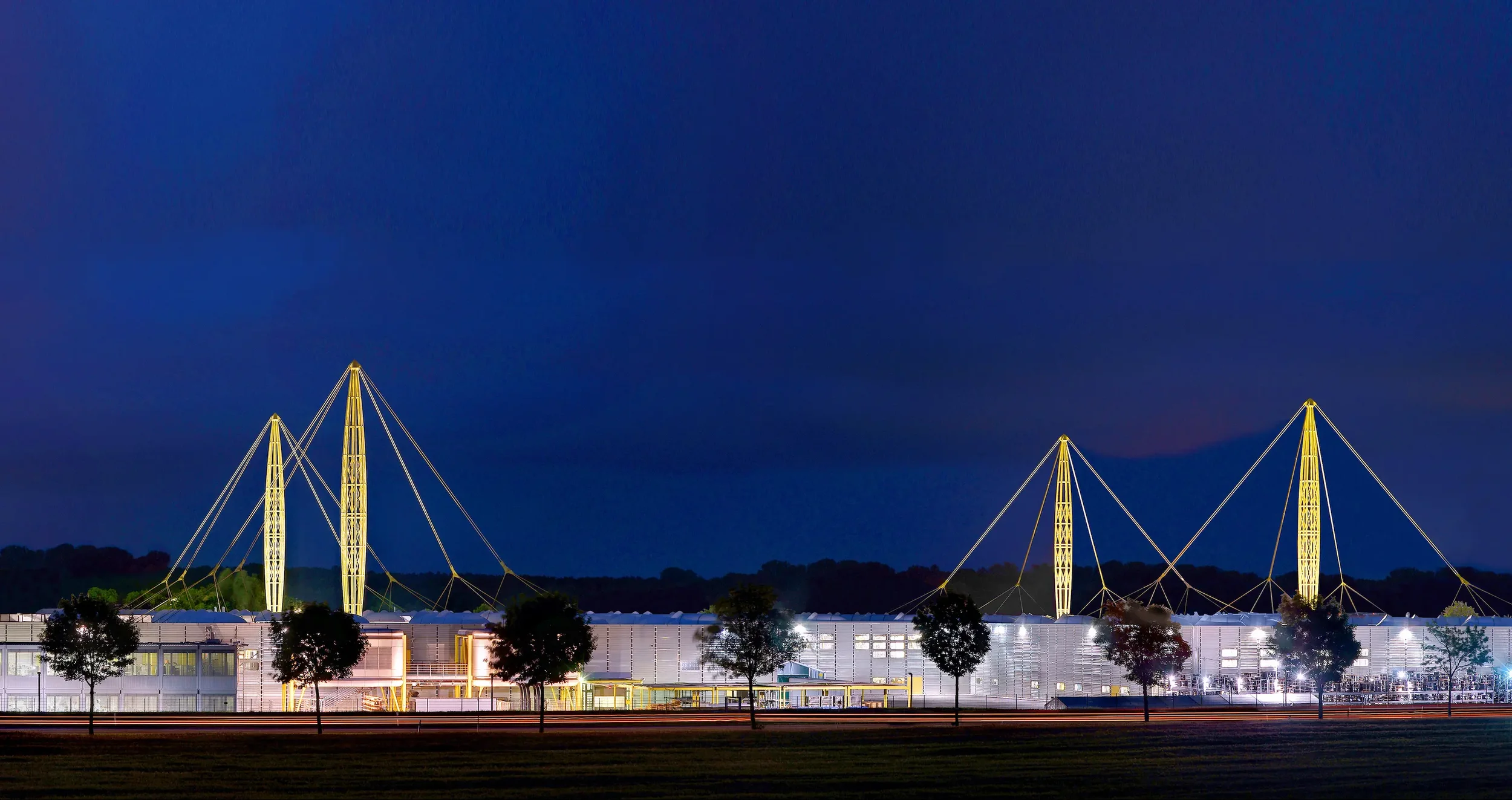
The roof of the igus campus is suspended from 36m-high yellow steel pylons – creating a column-free production interior across the full facility, with GRP roofdomes bringing stable northern light deep into the production halls throughout the day. First introduced in the Grimshaw original, they have defined every phase Bryden Wood has designed since.
Project details:
-
-
-
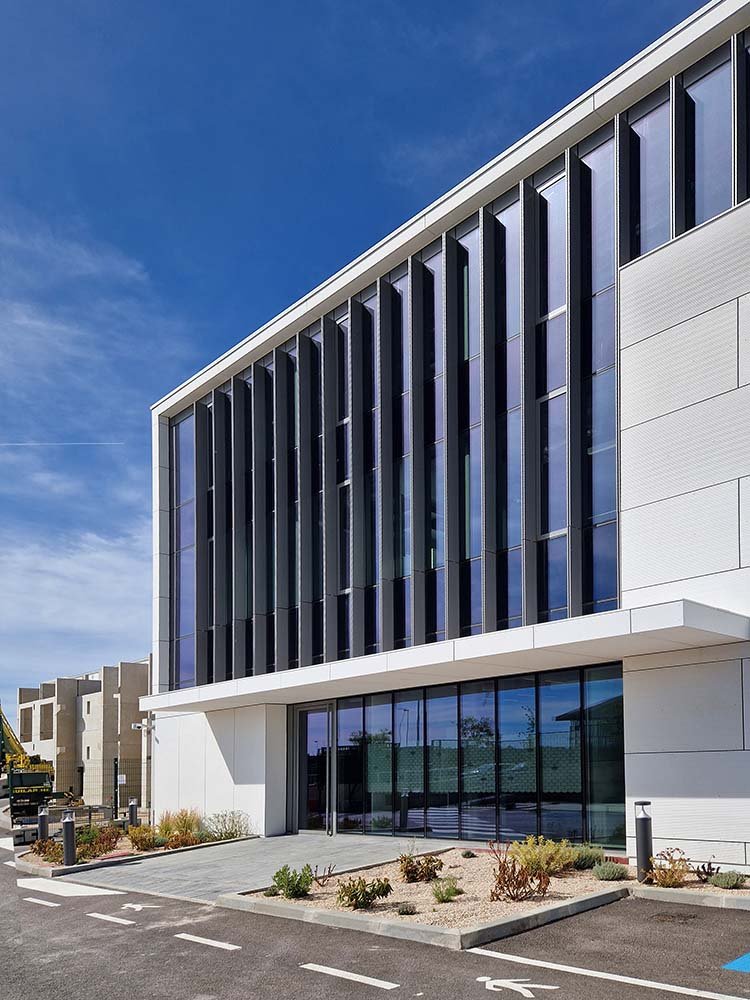
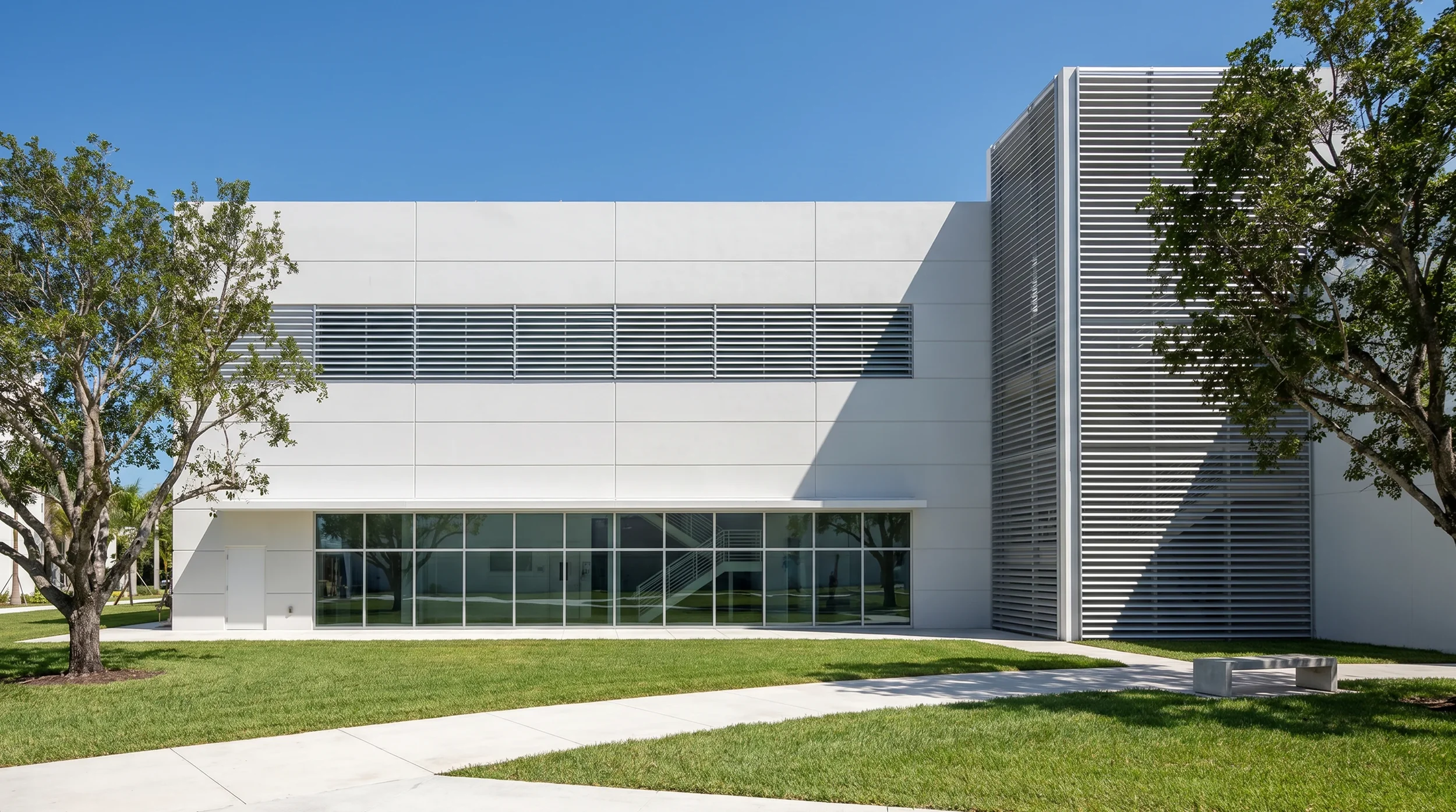
igus produces high-tech plastic products that require rapid expansion and constant modification of the building fabric. Bryden Wood's bespoke component system allows complete reconfiguration of door openings, windows, and internal spaces without structural intervention – meaning the building changes when the business changes, not on a construction programme.
Across eight phases and thirty years, igus has never had to stop, wait, or compromise because of the building. That is what the component system delivers.
igus GmbH is an international manufacturer of high-tech plastic components, and the Cologne campus is the global base from which that business operates. The campus began with Sir Nicholas Grimshaw's original 1990s design and has been expanded by Bryden Wood across seven phases – a relationship that has continued with Phase 8, completed in 2025.
The architectural identity of the campus is defined by its suspended roof structure: the roof is supported from 36m-high yellow steel pylons, enabling an almost entirely column-free interior. GRP roofdomes bring stable, diffuse northern light deep into the production areas throughout the day – creating a high-quality working environment without reliance on artificial lighting.
The layout of the pylons and the factory floor directly informed igus's 'solar system' management model – in which departments are arranged to orbit the central 'sun' of the business. This principle shapes adjacencies, sightlines, and internal configuration throughout the campus, promoting transparency and cross-disciplinary collaboration. It is an unusual example of architecture shaping organisational culture – possible only because the design relationship has lasted long enough for that influence to develop.
Bryden Wood continues to be involved in the campus as it evolves. The component system that allows complete reconfiguration without structural intervention – developed by Bryden Wood specifically for igus – remains the foundation of every phase. After more than 30 years, the building still works the way igus needs it to.
The igus campus has been expanding, reconfiguring, and evolving for more than 30 years – because the business inside it demands it. Bryden Wood's contribution is not just the architecture. It is the system that makes perpetual change possible.