REPOWER
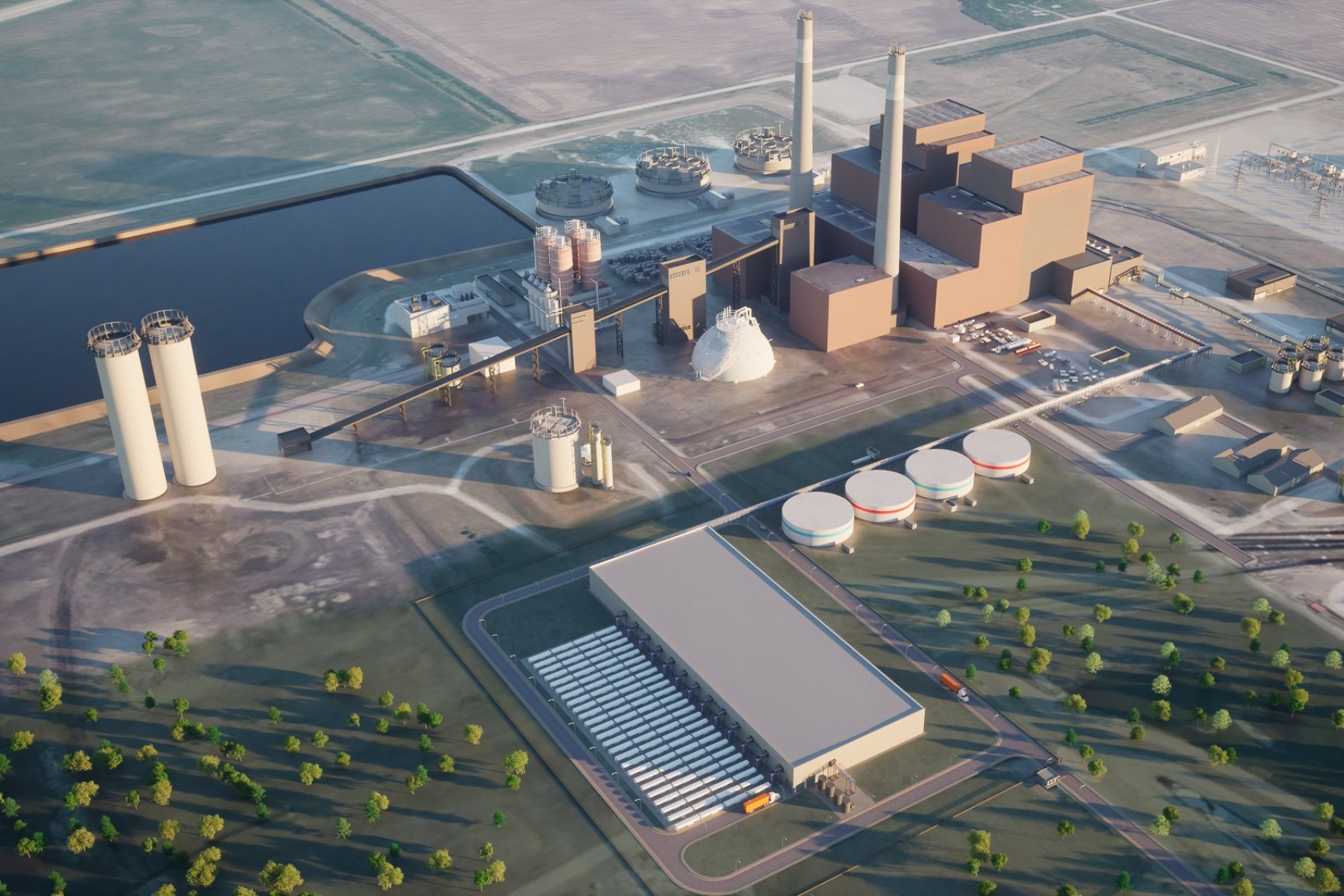
REPOWER is a global strategy to end reliance on fossil fuels – Bryden Wood is developing the P-DfMA deployment model that could make it achievable at the speed and scale Net Zero requires.
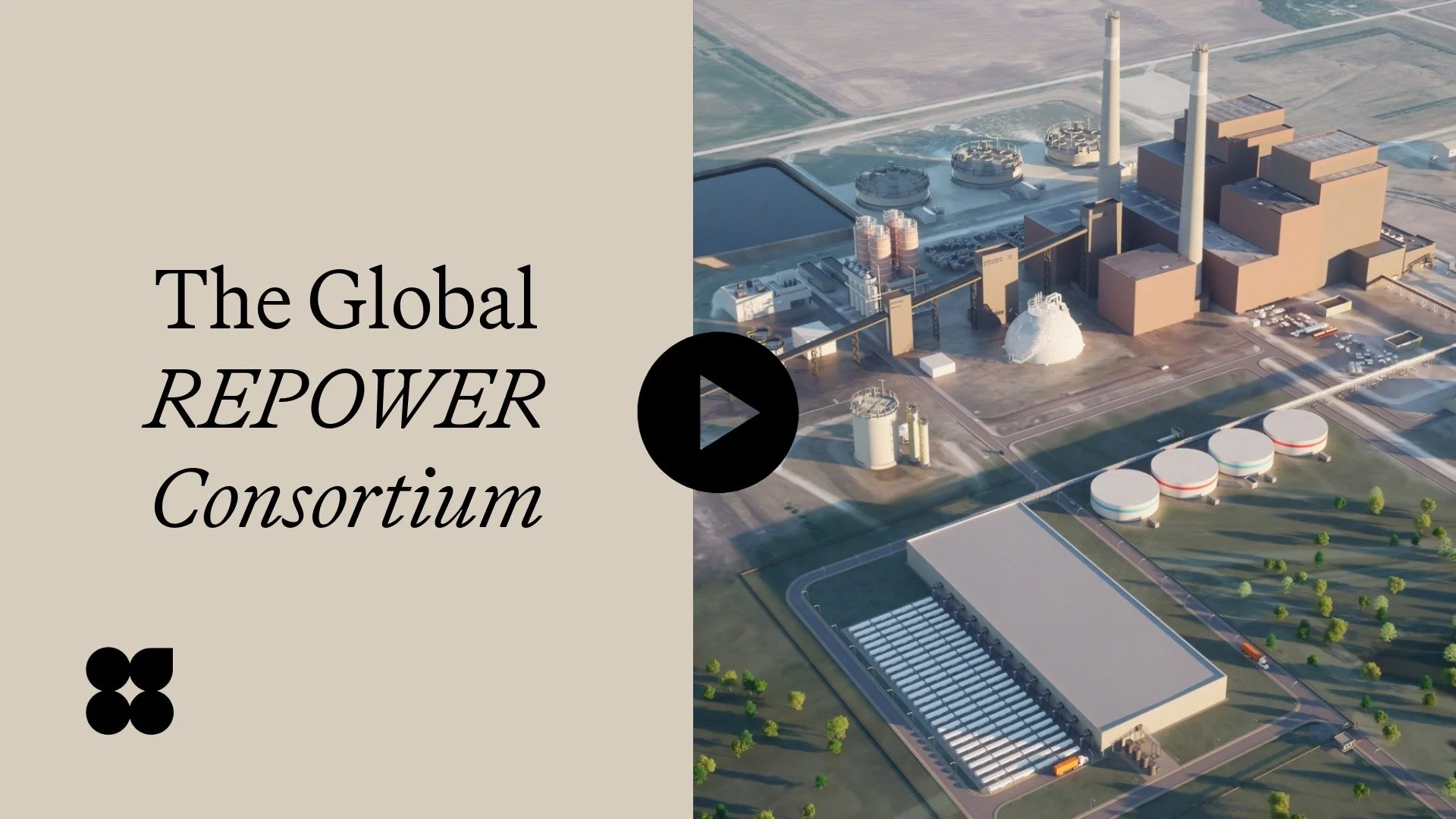
The animation above shows the deployment system Bryden Wood has developed for the REPOWER Consortium – from individual cocoon components through to a fully repowered coal plant site.
Project details:
-
-
-
Repowering an existing coal plant reuses the site, infrastructure, transmission lines, and supply chains already in place – reducing capital cost by 28–35% compared with a greenfield nuclear project.
Led by Terra Praxis, a non-profit climate solution accelerator, the global REPOWER Consortium includes Bryden Wood, Microsoft, MIT, Schneider Electric, and various SMR (Small Modular Reactor) developers, among others.
REPOWER harnesses the power of emissions-free advanced heat sources, such as nuclear fission and fusion, to decarbonise the largest sources of global carbon emissions (coal, industry, heavy transport) at the speed and scale required to achieve Net Zero by 2050. Repurposing coal plants will eliminate a third of global carbon emissions while ensuring sustained economies.
We're working to develop a safe, fast, low-cost, and repeatable solution to repurpose existing energy infrastructure or build new energy supply to meet the ever-growing demand from commercial and industrial energy users.
Our role is to develop a versatile deployment system suitable for a range of advanced heat source technologies coming to the market. This means designing a standardised solution that can be approved at scale, mass-produced, and deployed across multiple sites and geographies simultaneously.
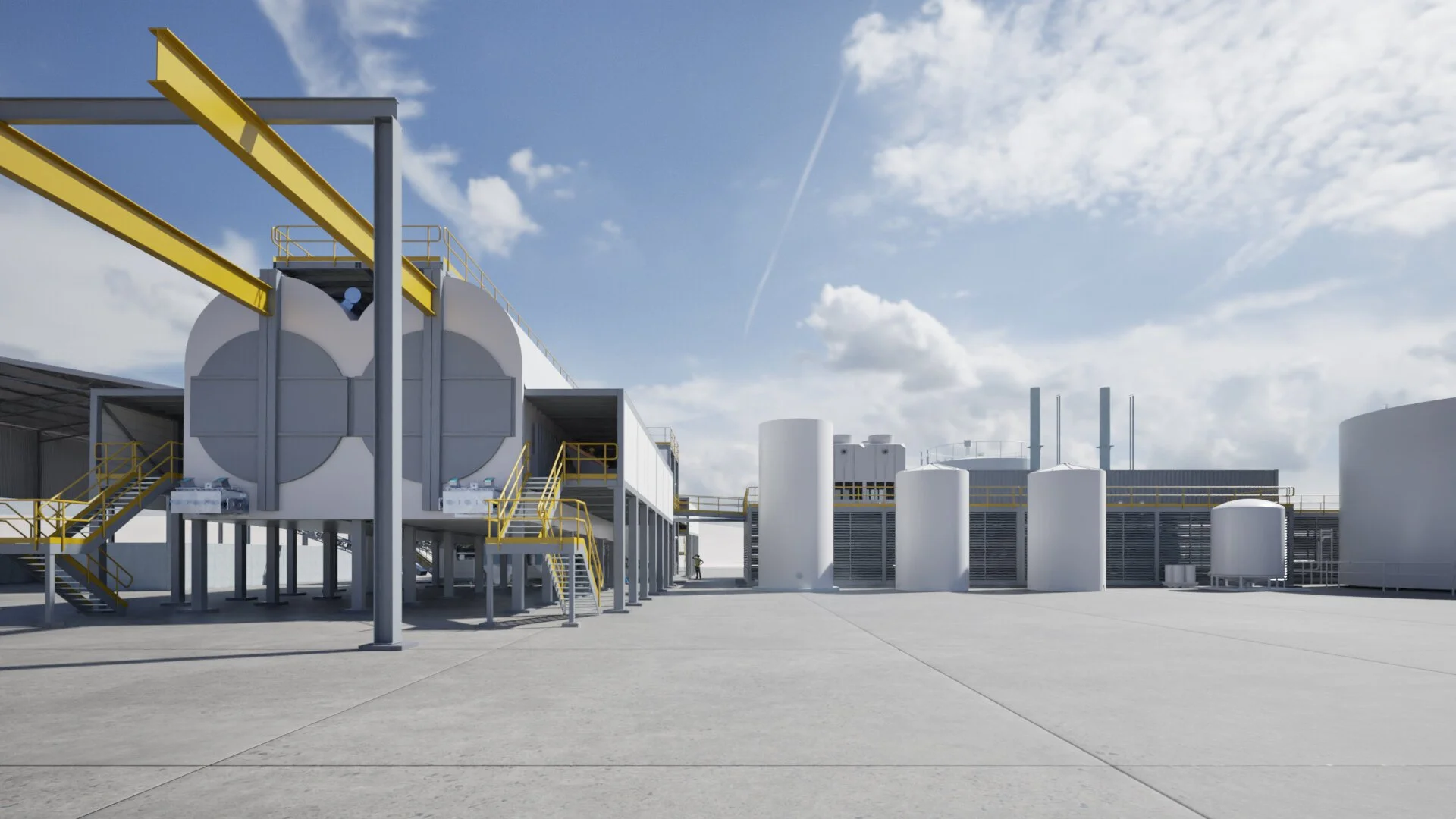
The core concept is the 'cocoon' – currently being designed to accommodate various advanced heat sources, which protects and isolates all the complexity of the technology contained inside it.
The 'cocoon' will be housed in a standardised outer building and served with standardised supporting and distribution systems.
All of these products will be designed in such a way that they can be manufactured and assembled easily, and are common across a wide range of applications – creating much bigger economies of scale, more attractive manufacturing opportunities, and unlocking supply-chain capacity.
These standardised products also enable standardisation and automation of all typical project processes. For example, configurators can be used to rapidly accelerate the site feasibility and detailed design process, with designs based on standard components and rules, while pre-approved products manufactured in controlled environments and then assembled in pre-approved configurations make approval from regulatory authorities at scale and speed a reality.
Together with Terra Praxis, we have developed a model that demonstrates how schedule and cost risks can be 'designed out' – it is a model for the industry to adopt and adapt. This is what we call the 'Platform approach to Design for Manufacture and Assembly' (P-DfMA), and we believe it is integral to achieving our global climate goals.
REPOWER presents the opportunity to make advanced heat sources highly attractive in terms of cost, time, and risk, attracting more customers and suppliers, creating significant opportunities, and building a new global market of emission-free energy technologies and productised building systems. Encouraging a competitive market of advanced heat sources to emerge alongside a P-DfMA deployment model could achieve the scale of transformation we need to meet the 2050 deadline.
Explore related projects



Get our latest insights