London Heathrow & Gatwick Pier Segregation
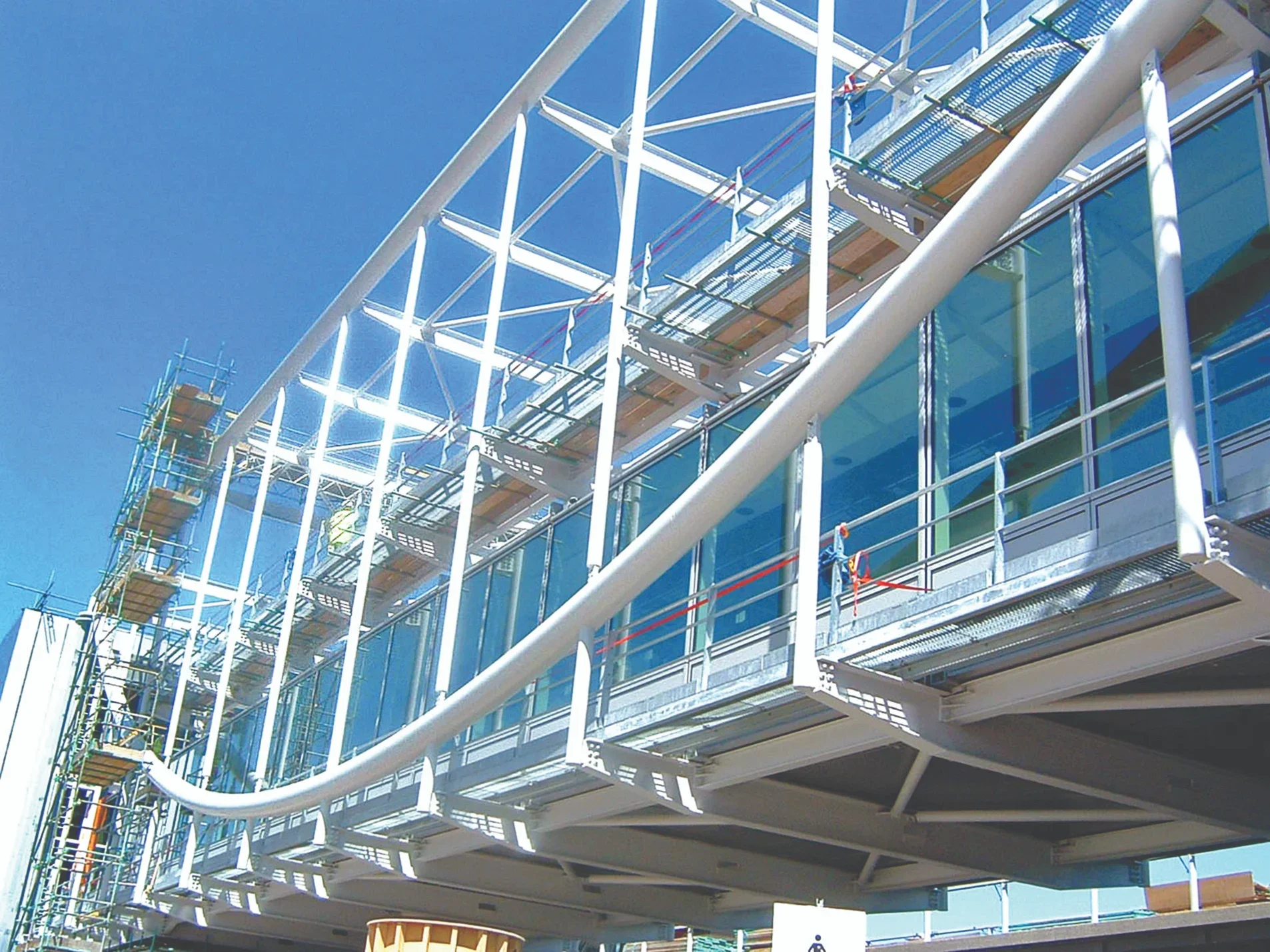
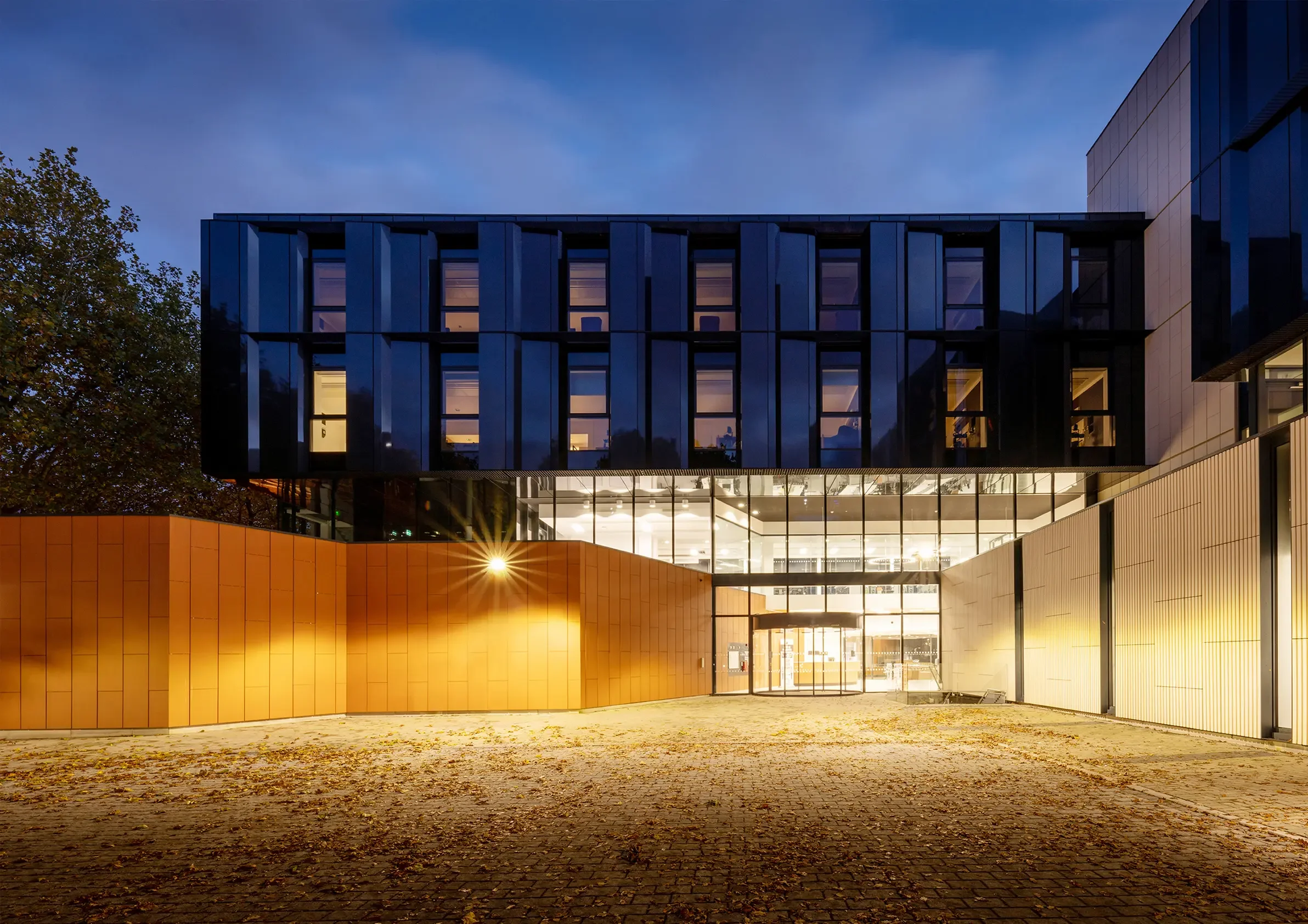
Bryden Wood designed and delivered over 1.5km of pier segregated corridor across four projects at Heathrow and Gatwick, saving £15.5 million against traditional construction and rated by BAA as better-performing on health, safety, and build quality than any comparable capital project.
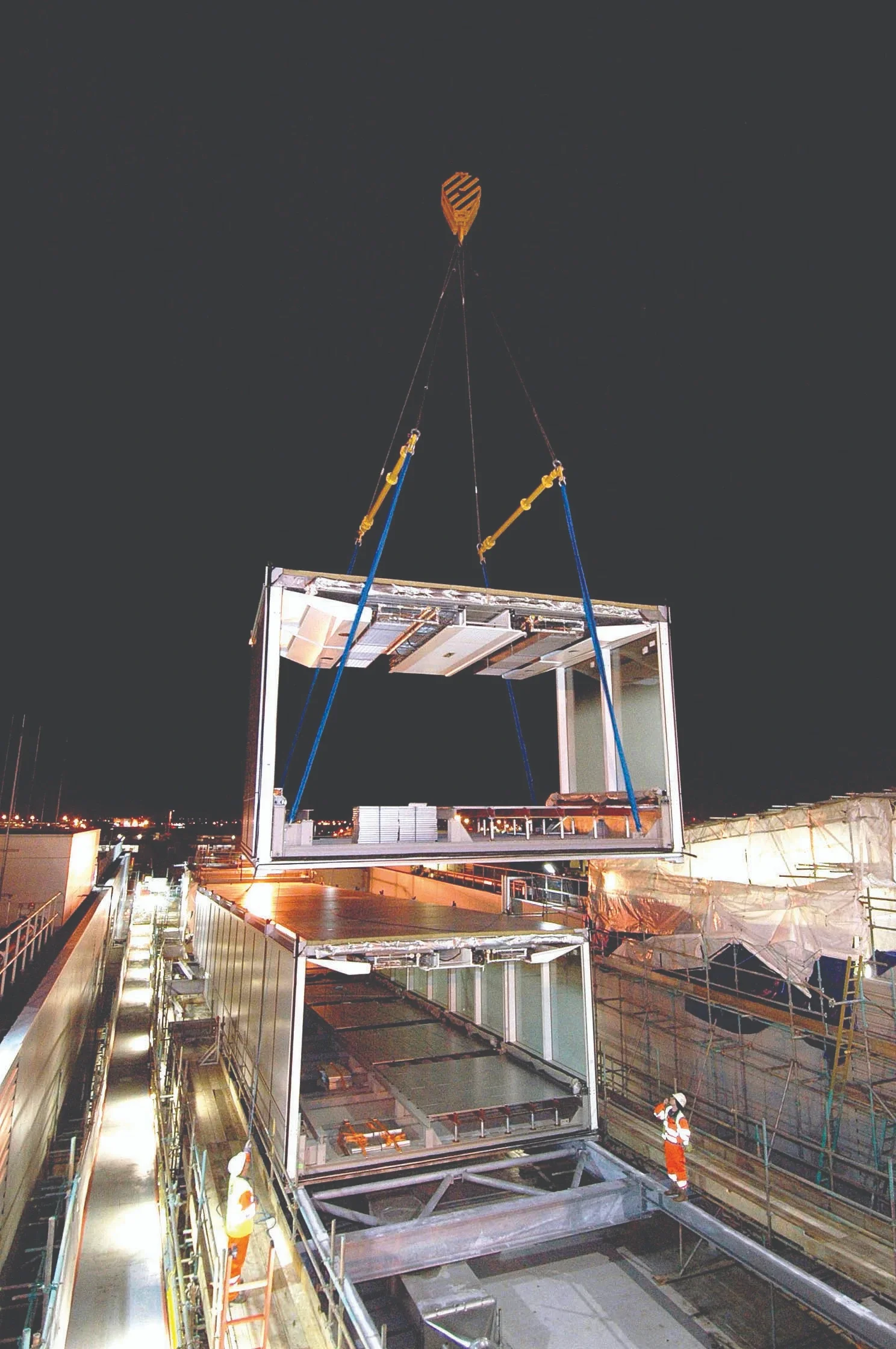
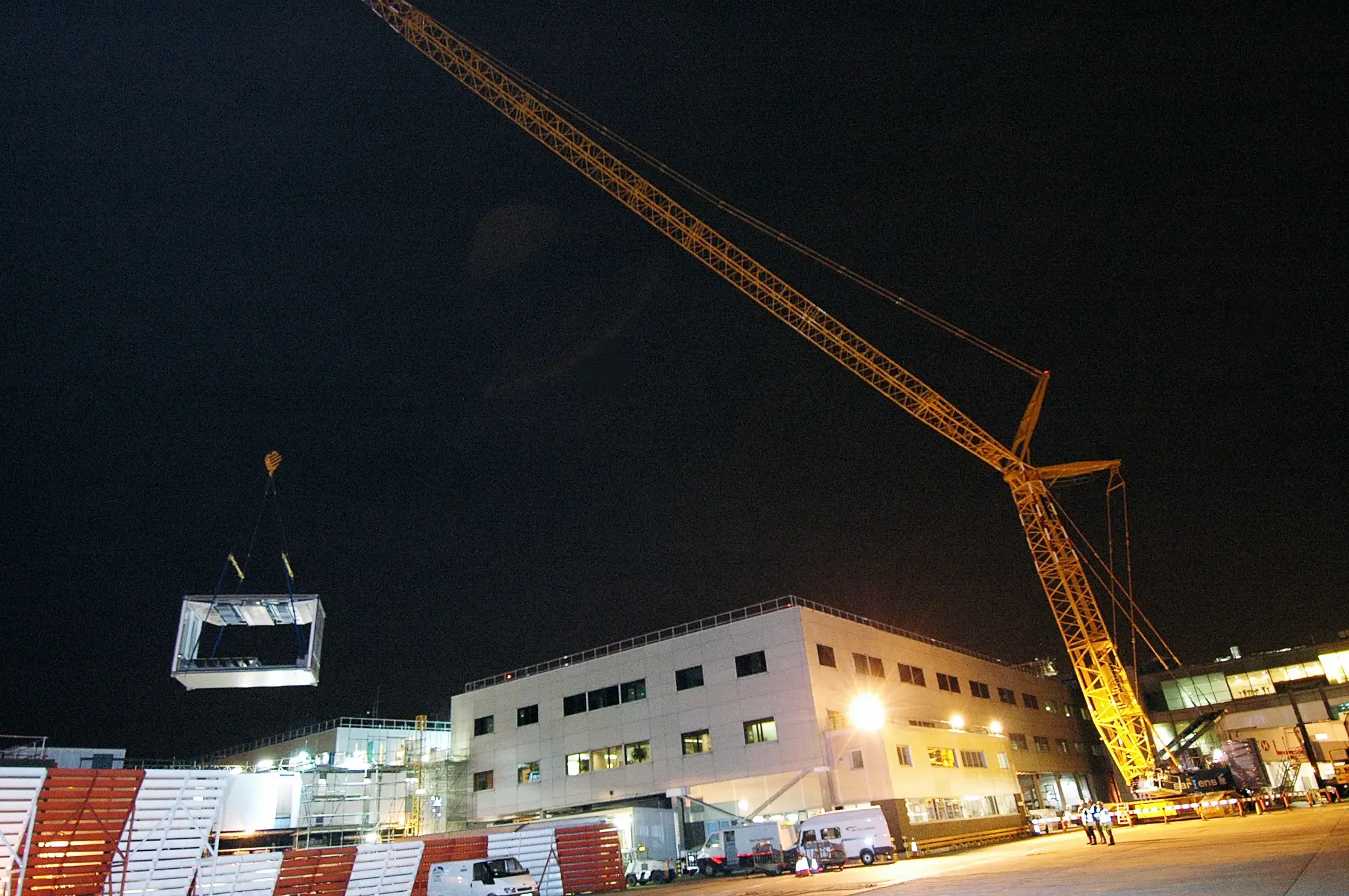
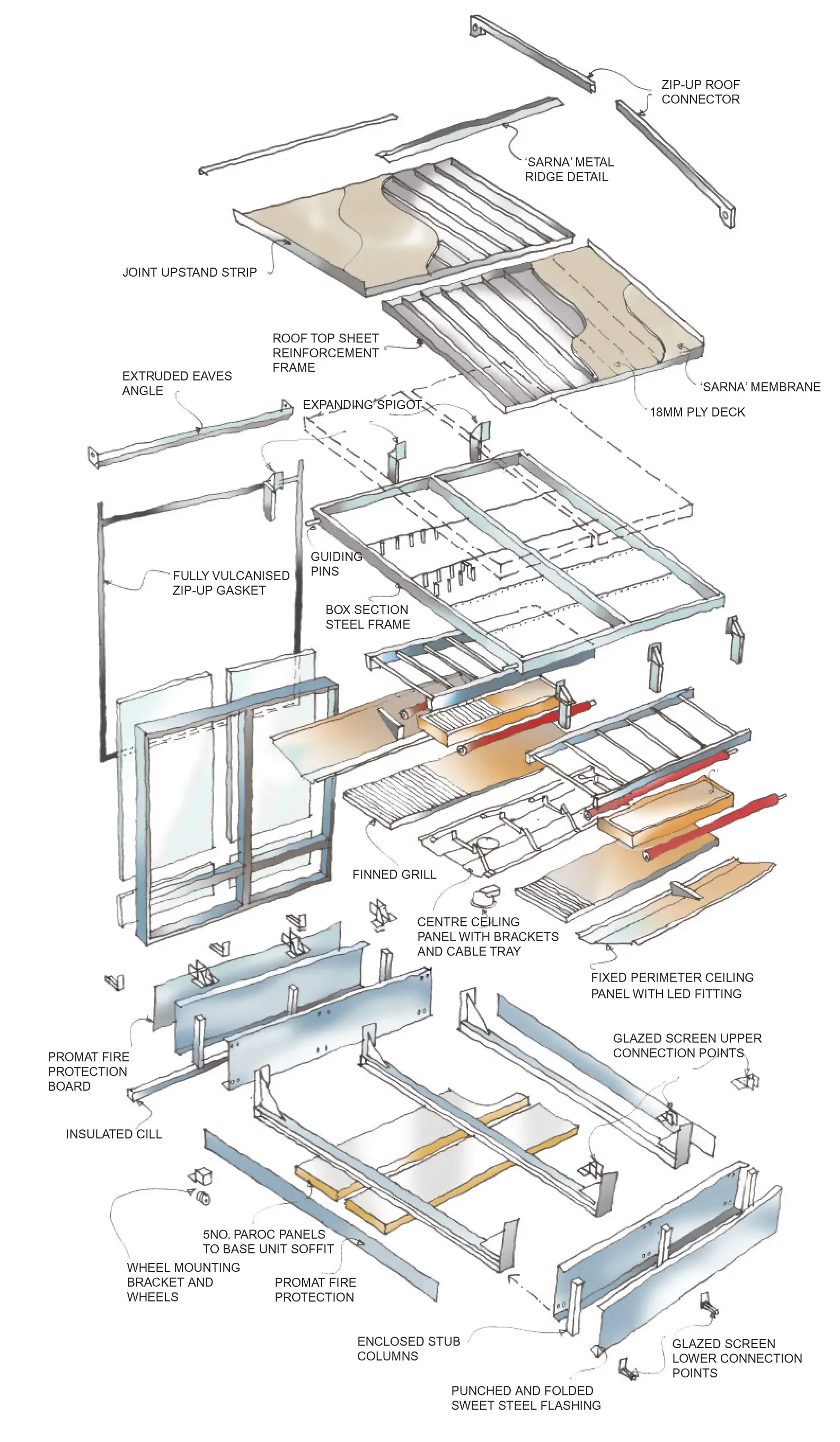
Bryden Wood was appointed to solve a problem that conventional construction could not – new, secure passenger routes threaded through live operational airports, adjacent to active runways, on top of existing terminals. The answer was not a bespoke design for each airport. It was a product: factory-assembled, fully serviced, interlocking corridor units that could be manufactured off-site, transported by conventional haulage, and assembled in any existing airport environment.
Project details:
-
-
-
The corridor module system was designed to be redeployable across a range of existing environments – not optimised for a single site. By reducing the number of deliverable components to a minimum and designing all modules for conventional haulage, Bryden Wood created a solution that could be manufactured in controlled factory conditions and assembled on site with minimal specialist logistics. 80% of delivery was taken off-site. Pre-engineering maintained programme predictability throughout.
The result was independently rated by BAA as better-performing in health, safety, and build quality than any comparable traditionally built capital project.
Heathrow and Gatwick airports, under BAA, required new, segregated passenger routes between their existing high-traffic operational environments. The routes had to traverse existing structures, provide secure passage, and be delivered with minimal impact on live airport operations – a combination of constraints that made conventional construction approaches impractical.
Bryden Wood applied an industrialised, systems-driven approach: off-site manufacture, design automation, and repeatable modular components, assembled into factory-finished, fully serviced, interlocking corridor units.
This was not merely the most efficient solution. It was the only effective solution to an otherwise virtually insurmountable construction problem — a restricted access site adjacent to an operational runway, built on top of an existing terminal.
Wherever possible, pre-assembly was used to minimise on-site works, and the number of deliverable components was reduced to a minimum. All modules were transportable by conventional haulage, removing the need for specialist delivery logistics. The system took 80% of delivery off-site – improving safety through reduced site activity, quality through the manufacturing approach, and programme predictability through pre-engineering.
The pier segregation programme was not a construction project. It was a manufacturing challenge, solved with manufacturing thinking. The proof is in the rating: better-performing in health, safety, and build quality than any comparable BAA capital project – because 80% of the work never touched a live construction site.