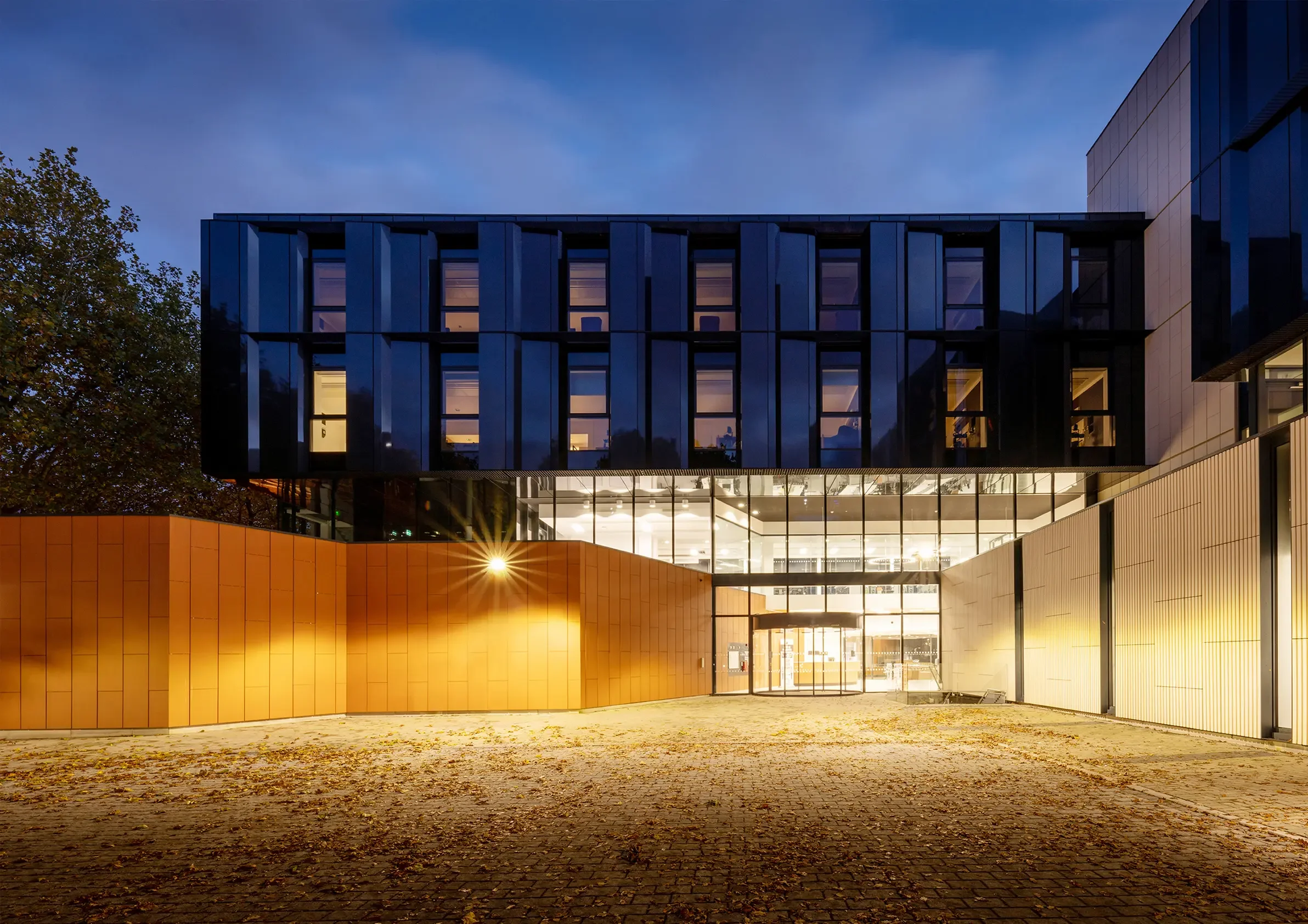
Prison Estate Transformation Programme
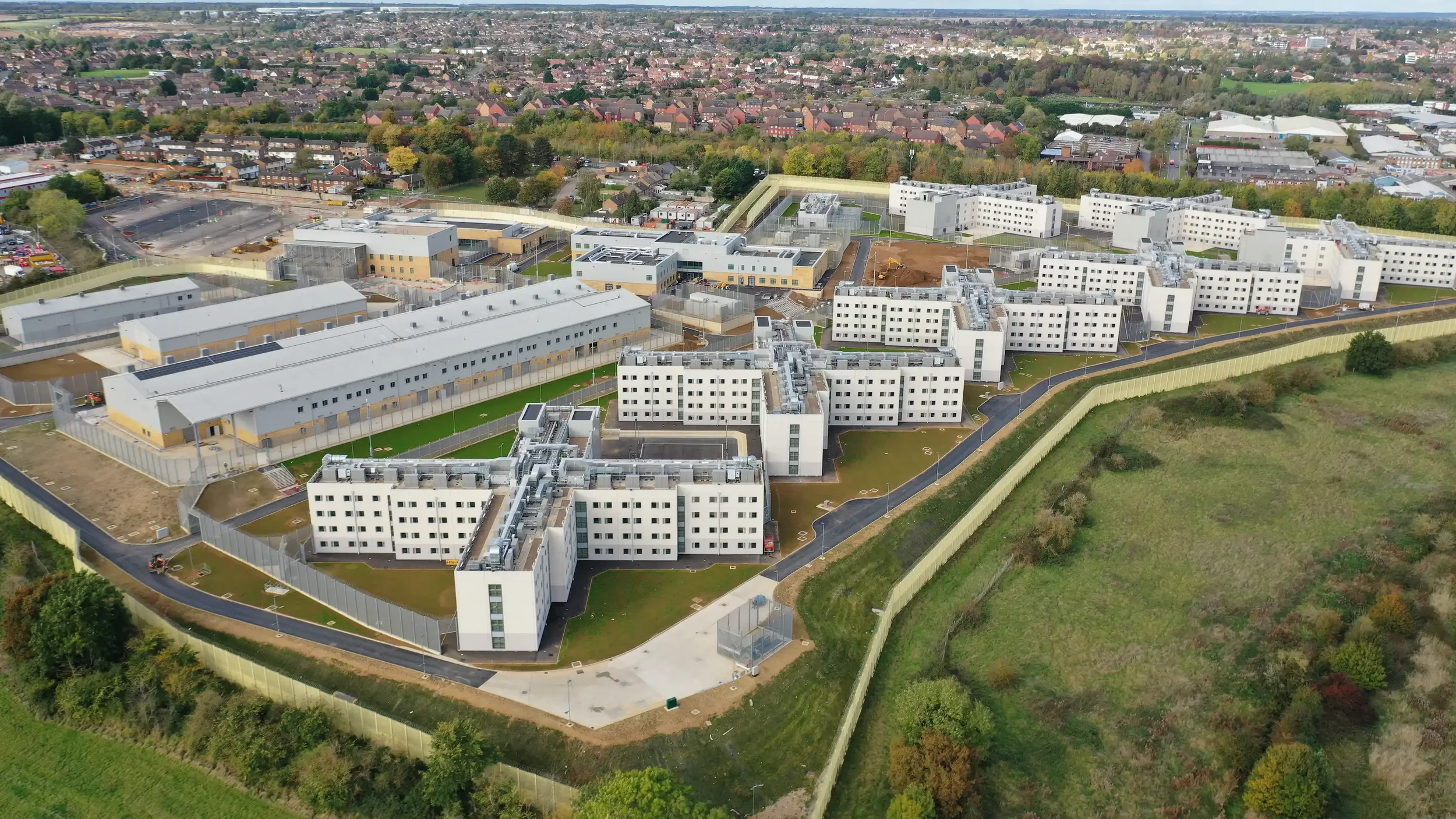
By transforming outdated Victorian prisons into humane, rehabilitation-focused environments – and by pioneering the platform-based construction systems that now underpin the UK Government’s Construction Playbook – Bryden Wood demonstrated how thoughtful design and smarter delivery can drive meaningful social change.


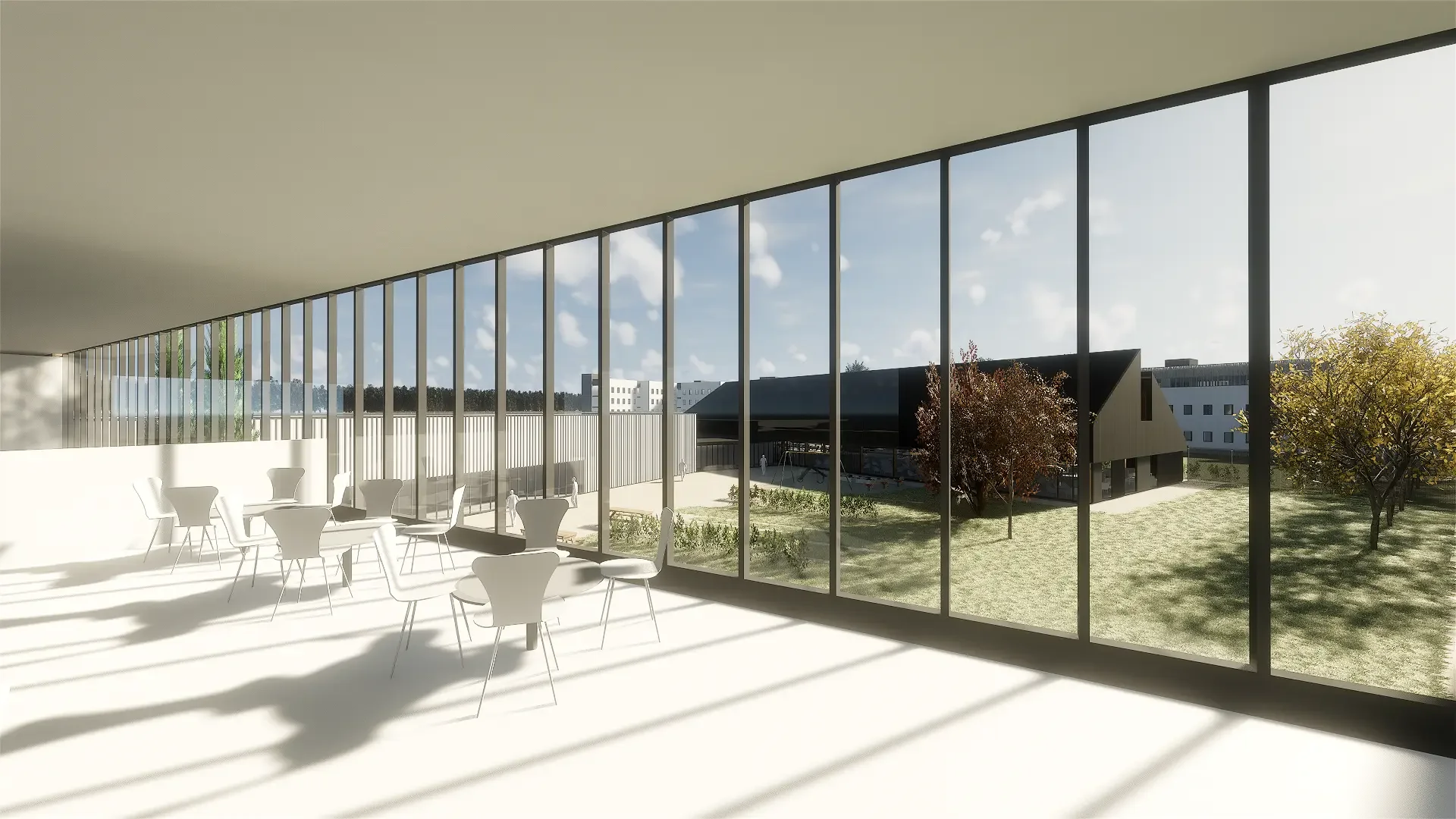

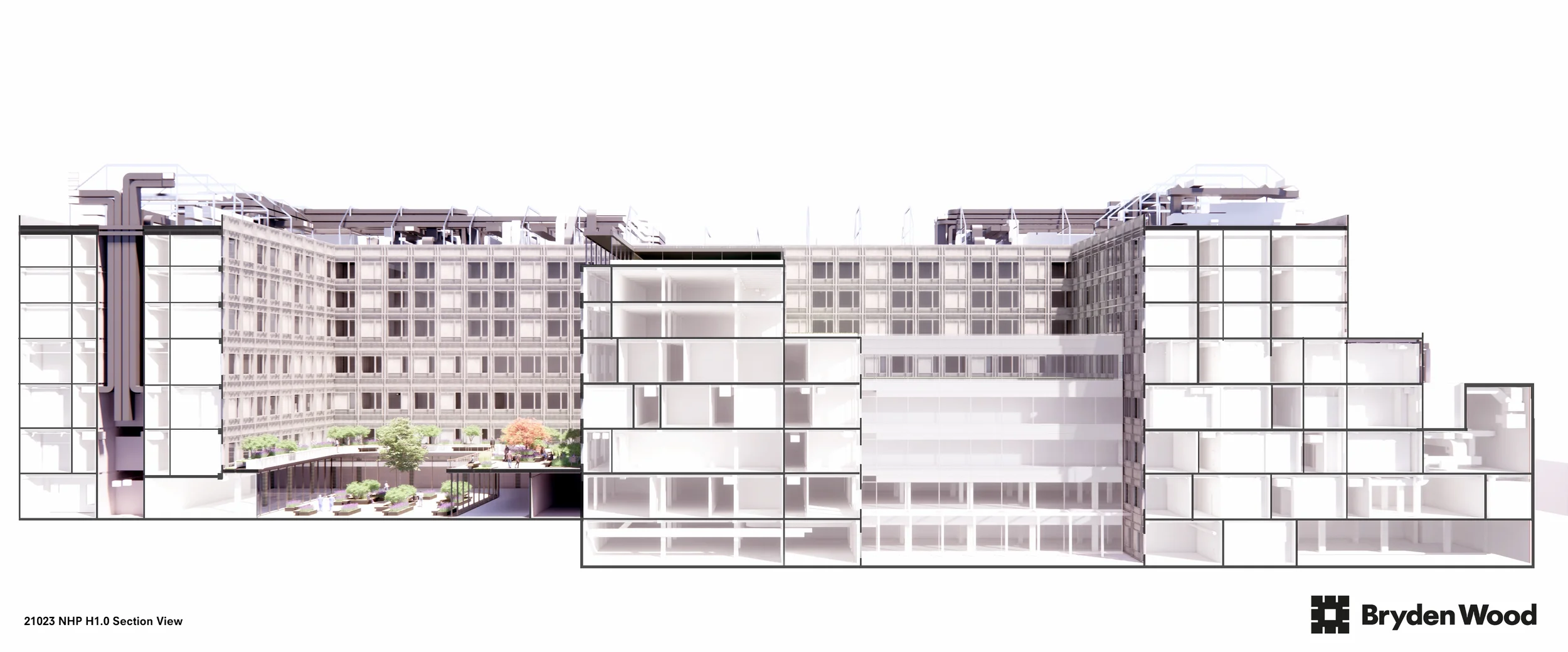
Bryden Wood was appointed by the Ministry of Justice to support one of the most ambitious prison programmes undertaken by the UK government in centuries. The design process began with the largest research programme the department had ever undertaken into the effectiveness of prison design – consulting serving and former governors, staff, inmates, academics, and public associations. The findings shaped every design decision that followed: smaller residential cohorts, barless windows, softer finishes, flexible multi-use spaces, and larger family visiting areas designed to normalise the experience for children.
Project details:
-
-
-
Bryden Wood applied the Platform system to every building typology across a prison campus – with the greatest focus on residential accommodation, which accounts for approximately 70% of the estate. To prove the approach, a prototype residential facility was built within a prison compound by serving inmates guided by professionals, assembling prefabricated blocks using the Platform system. Three prisons have since been delivered to these new standards. The house block design developed through the programme is now the standard adopted across the planned prison estate expansion.
Bryden Wood was appointed by the Ministry of Justice to support the Prison Estate Transformation Programme – one of the most ambitious prison design and construction programmes undertaken by the UK government for centuries. The programme set out to replace outdated Victorian-era facilities with new, rehabilitation-focused environments, informed by academic research into the relationship between built environment quality and rehabilitation outcomes.
The design process involved the largest research programme the MoJ had ever undertaken into prison design effectiveness – consulting serving governors, staff, inmates, academics across Europe, prisoner support groups, and public associations. The goal was to reduce environmental stress and create conditions that support rehabilitation. Design choices that emerged directly from this research include the end of gallery-style prison blocks, smaller 20-person residential spurs with more domestic proportions, barless windows with integrated ventilation, and staff stations positioned to encourage interaction rather than observation.
Family visiting areas were redesigned to be larger, brighter, and more normalising – particularly for children. Central resource hubs bring together education, medical facilities, gyms, and faith spaces in a format that resembles a high street of services, promoting independence and routine. Flexible spaces allow classrooms to become communal rooms, ensuring facilities are in use throughout the day.
Bryden Wood applied the Platform system to every building typology across the prison campus. Residential accommodation – approximately 70% of the estate – can be delivered using a standardised construction system that reduces both time and cost significantly. The Platform approach developed through this programme was subsequently adopted by the Infrastructure Projects Authority and embedded in the UK Government's Construction Playbook.
The Platform approach developed on the Prison Estate Transformation Programme – tested by inmates, proven in three prisons – became the foundation for the UK Government's approach to public sector construction. Standardised systems and genuinely humane design, pursued together.